Competitor Brief · Design Platform
"Build by Design" — the collaborative design OS for product teams, now expanding to developers, marketers, and executives.
Borrow their community flywheel. Reject their color sprawl. Their Config = eToro should have one.
13 sections — click to expand
Figma has methodically shifted from "collaborative design tool" to "the platform through which all creation happens." Their 2024 rebrand explicitly acknowledged that only ~1/3 of users identify as designers — and leaned into the 2/3 who are developers, PMs, and marketers.
The "Build by Design" positioning reframes design as a verb, not a noun — a process that belongs to everyone. This makes Figma's TAM feel theoretically limitless, even as their actual revenue is still concentrated in professional product teams.
2024 Brand Beliefs: Design is everyone's business · Craft as a differentiator · The idea is just the beginning · Build by design
The four-piece vector logo uses Figma Purple, Blue, Green, and Orange-Red — a deliberate declaration that no single color "owns" the brand. The wordmark Figma Sans is designed to recede against any visual environment rather than compete with it. The 2024 rebrand retired the signature cursor motif, replacing it with abstract "primitives" (nodes/shapes) that emphasize the build process.
Figma deliberately rejected owning a single color — the 2024 palette is expansive by design, reflecting the diversity of users and range of work happening in the platform. The "Figma canvas gray" (#E8E8E8) is a passive brand color activated by UGC — any screenshot of a Figma file is implicitly a brand touchpoint.
Figma Sans (2024) — Commissioned from Grilli Type (Swiss-American). Variable font with 5 families, 6 weights, 60 static fonts, and a monospace axis that adjusts between full mono and semi-mono. The wordmark shapeshifts per context; code/developer sections activate the monospace variant. Replaced Dinamo Whyte (2019–2024). Described as: "easy to use and apply, while still having that expressive edge."
Debunked the "Myth of the Lone Genius" — proved that all great historical achievements (Stonehenge, Einstein's relativity, the Mona Lisa, Sagrada Familia) were collaborative. Execution: vibrant illustrations + motion graphics with multiplayer cursor animations. Won the 2023 Fast Company Innovation by Design Award in Branding. Strategically timed to coincide with the Adobe acquisition news — reframing Figma not as a product to be acquired but as a cultural force.
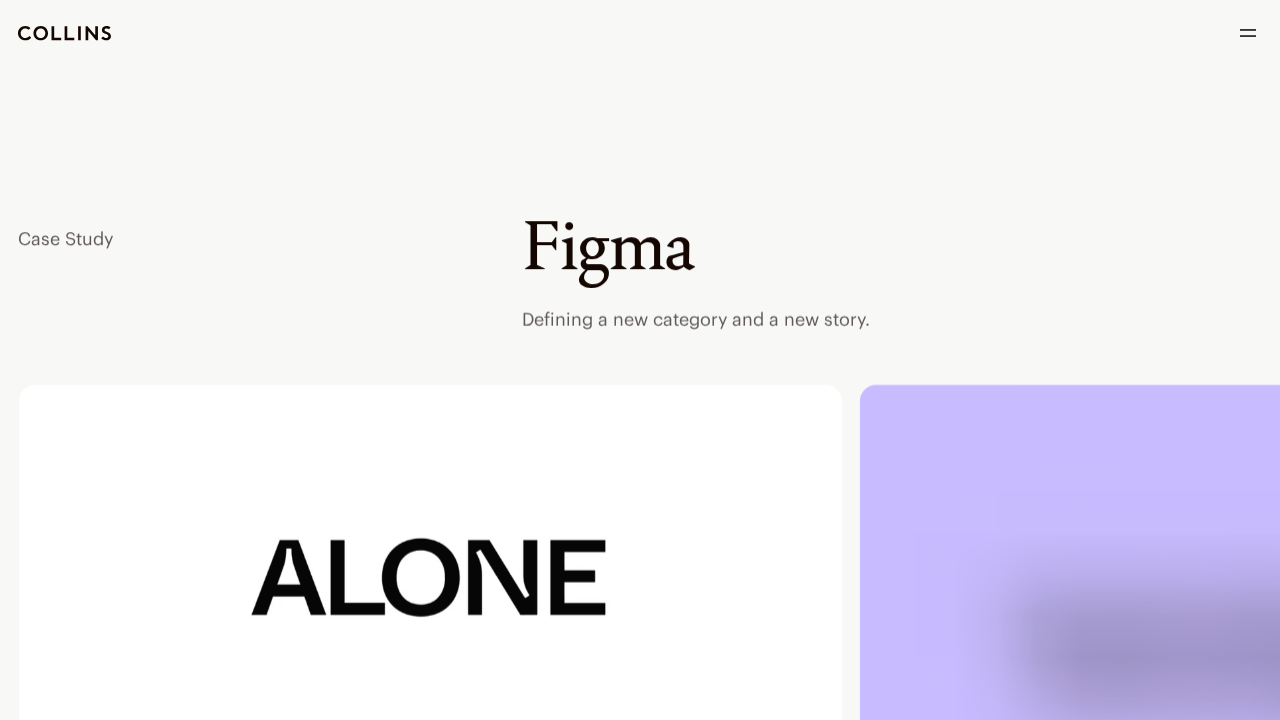
Full brand refresh by in-house creative team. Key assets: Figma Sans custom typeface (Grilli Type), expanded multi-color palette, "primitives" abstract shapes replacing the cursor motif. Launch: Highway 101 (San Francisco) billboards to Times Square (New York). Message: "Relevancy is never a fixed thing" — brand built for constant change. Motion partner: Relay (Danish design team, also handles Config conference branding).
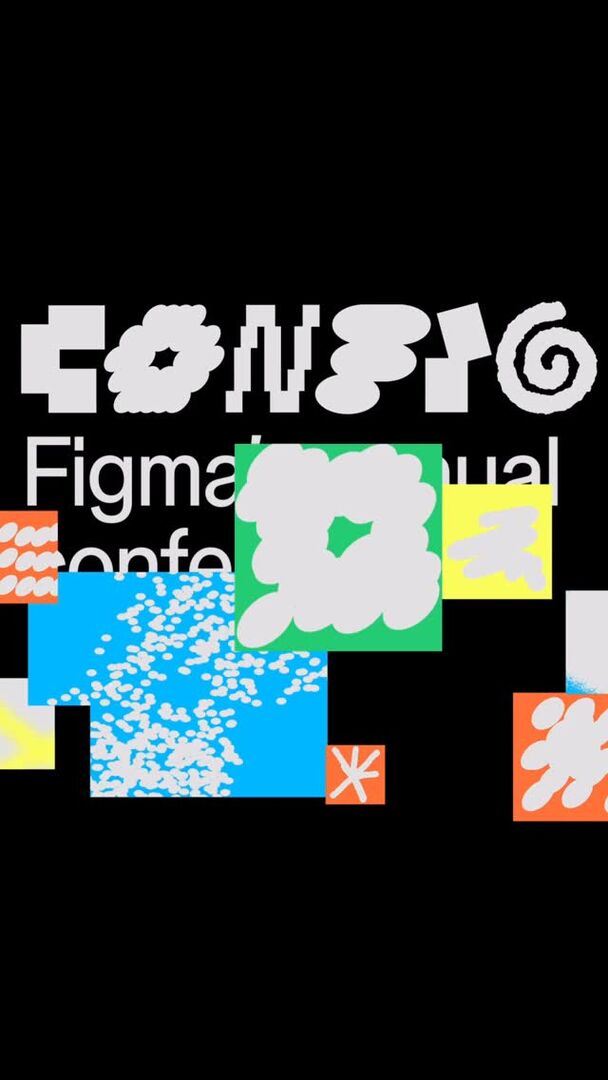
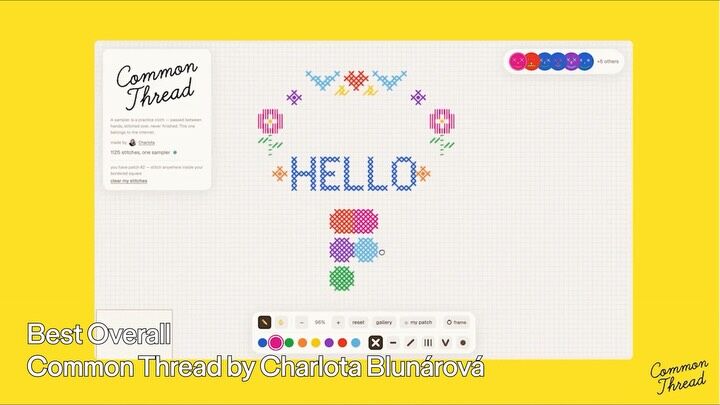
Design industry equivalent of WWDC — a music festival for software. Config 2025 launched Figma Make, Buzz, Sites, Draw, and Slides simultaneously. Config 2026 announced with 50+ speakers. Creates tribal brand identity; merch sells out; community runs unofficial global watch parties.
Key customers: Microsoft, Netflix, Airbnb, Atlassian, Duolingo, GitHub, Slack, Dropbox, NYT
Founders: Dylan Field + Evan Wallace (Brown University) — Field was a Thiel Fellow
Archetype: Creator/Sage hybrid. Primary Creator — tools, building, craft, expression. Secondary Sage — community knowledge, Config as education festival, Community Files as searchable design library.
Voice: Direct, no-nonsense, confident without arrogance. Speaks to teams not individuals ("bring everyone to the table"). Self-aware about the designer community — uses insider language fluently. Playful on social (punchy 1-line captions, memes, product jokes). Formal when needed (enterprise, investor relations).
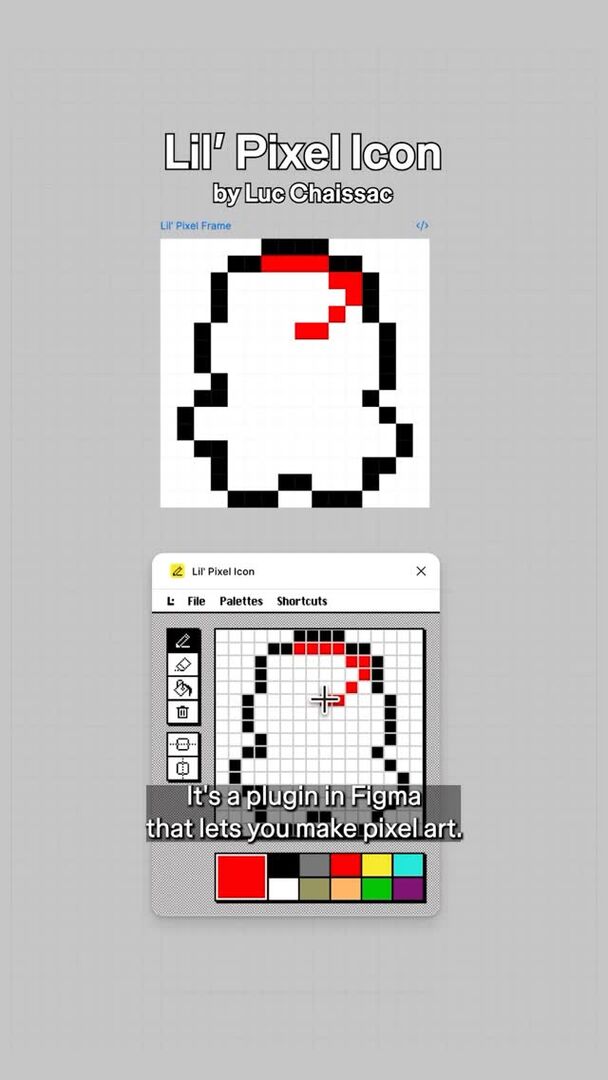
Visual personality: Tonal range: dark-mode professional (TikTok) ↔ bright celebration (Config awards) ↔ pixel art whimsy (plugin showcases). No single aesthetic mode — adapts to context while remaining recognizably Figma. Cursor animations remain a visual motif across all branded content even after the rebrand retired the wordmark cursor.
Community identity signal: "I use Figma" is a professional marker. Designer community self-identifies as professional/serious vs. Canva's consumer positioning. Social identity of using Figma matters beyond the utility.
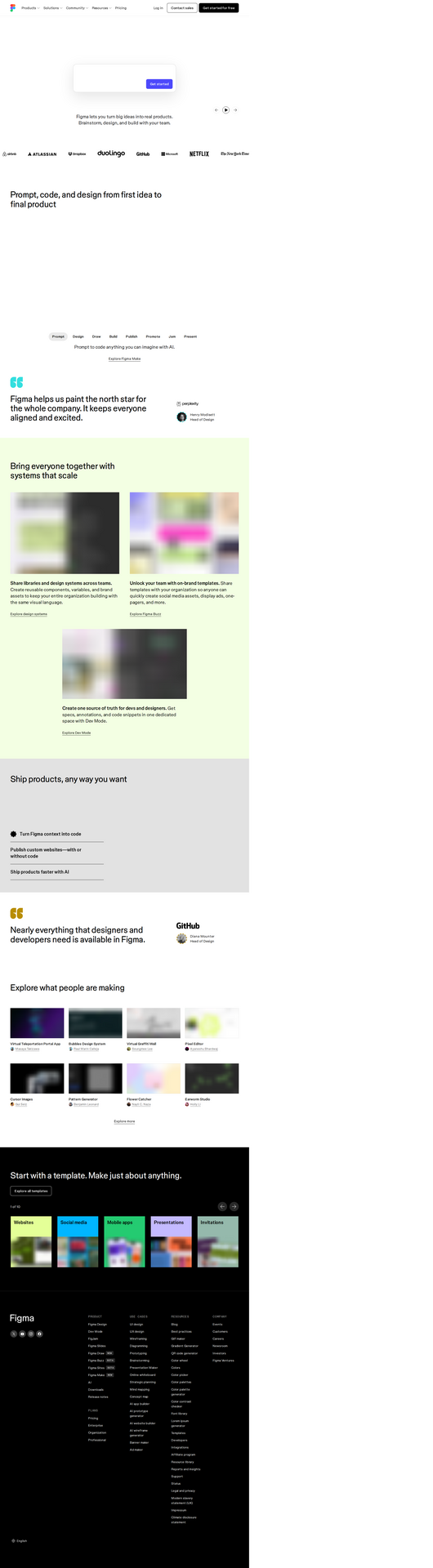
Homepage (2025): Single centered AI-prompt bar with green CTA — stark, minimal, confident. Immediately positions Figma as AI-native. Trust strip of enterprise logos below fold (Airbnb, GitHub, Netflix) delivers instant credibility.
Structure: 2-column alternating feature sections (text ↔ visual), white → mint/lime tints → dark near-black — visual rhythm without aggressive design. Community showcase is a 4-column user project grid emphasizing platform scale.
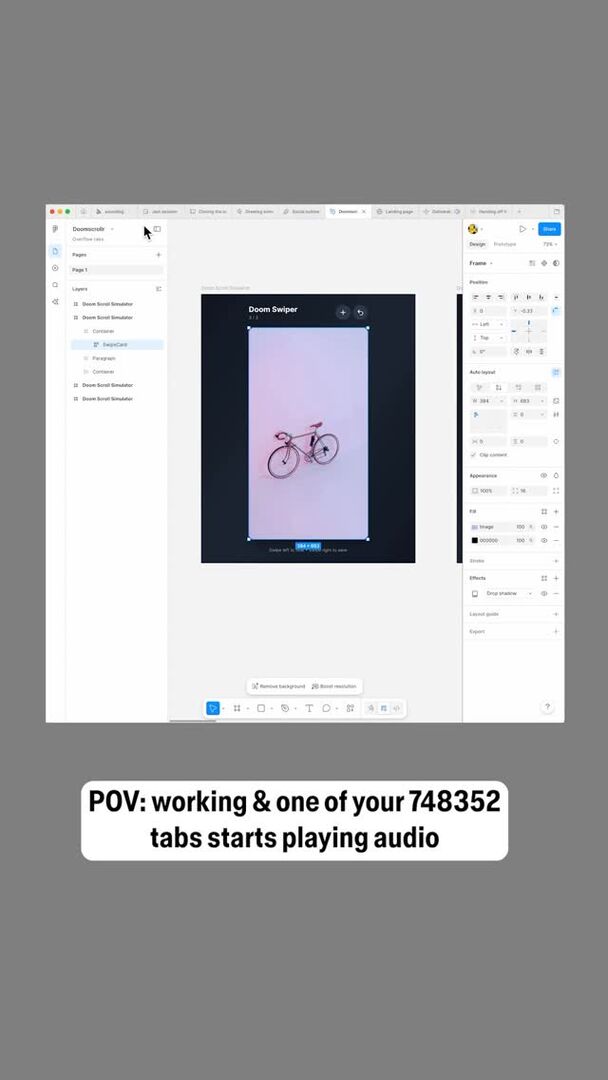
Characteristics: Generous whitespace (enterprise-quality), product-forward (real Figma canvases, not illustrations), horizontal accordion dividers for feature lists. Motion: Relay partnership for Config; page interactions are motion-driven.
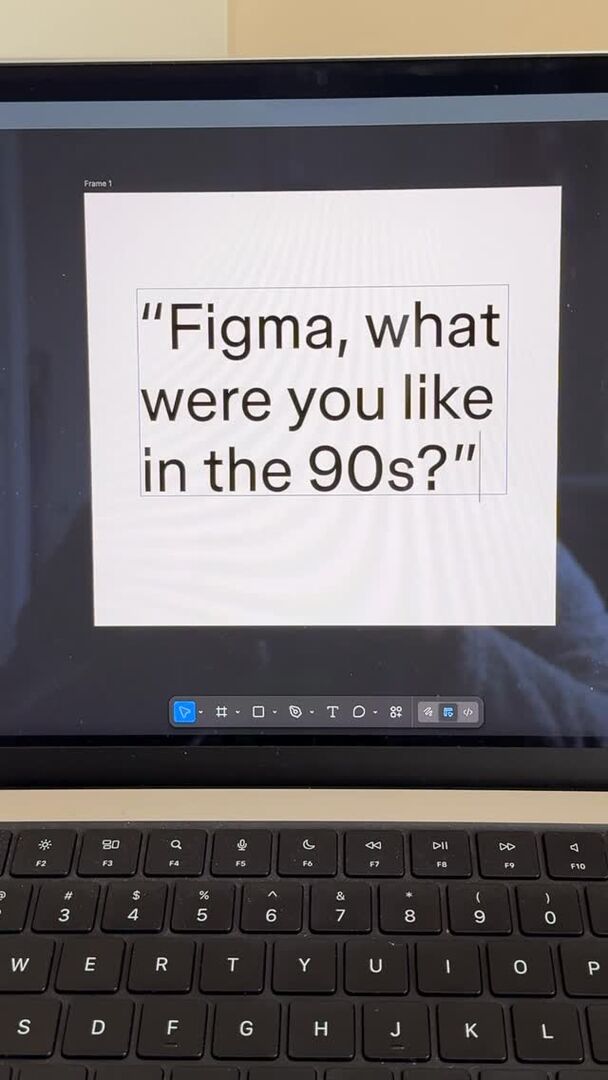
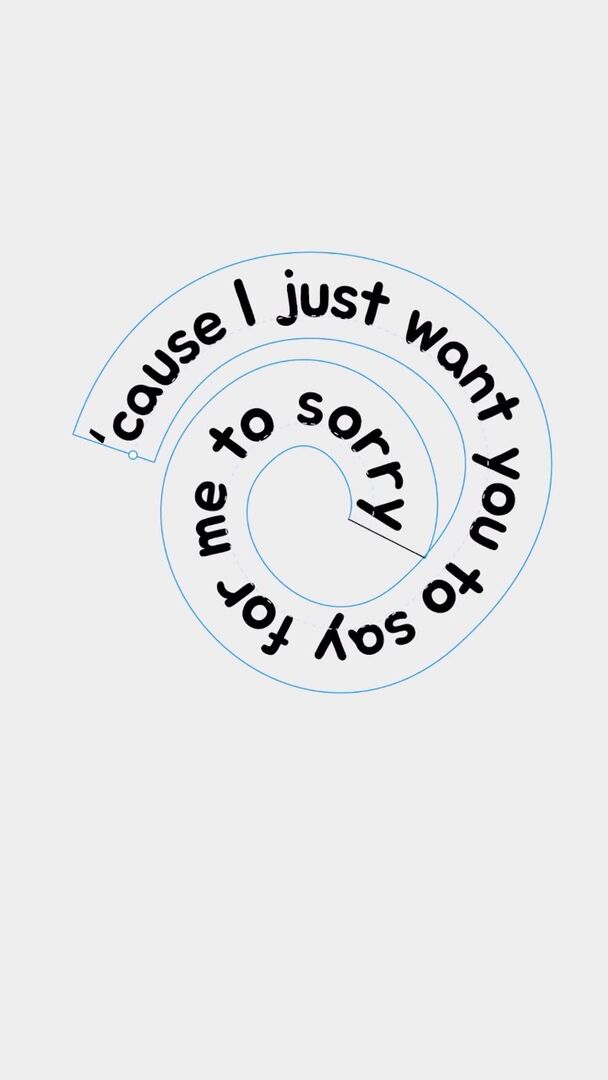
Engagement signal: Post 1 (spiral text meme) = 76,815 likes. Post 3 (design tip) = 19,402. Announcement posts: 877–3K. Community/humor dramatically outperforms product news — same pattern eToro should study.
Demographics: 65% under age 35. 85% outside the US (US: 38%, India: 7%, rest of world: 55%+). Only ~1/3 identify primarily as designers — 2/3 are developers, PMs, marketers, writers, and executives.
Company size: 44% SMB (<50 employees), 42% mid-market (100–999 employees), 13% enterprise (1,000+). Key industries: IT & Services, Computer Software, Marketing & Advertising.
Community retention drivers: Plugin ecosystem (build → win Config award → career signal), free tier maintaining community breadth, Config as cultural moment (not just product launch), "I use Figma" as professional identity marker.
eToro overlap: The 65%-under-35, globally-distributed Figma user is the same generation as eToro's retail investor. Both brands are competing for mindshare with young, globally-distributed digital-native professionals. Figma has dramatically stronger cultural penetration and brand love with this cohort.

| Dimension | Figma | eToro |
|---|---|---|
| Category | Design/product platform | Social investment platform |
| Core user | Designer / developer | Retail investor |
| Community mechanics | Config · plugins · community files | CopyTrader · Popular Investors |
| Collaboration claim | Real-time multiplayer (named cursors) | Social trading, copy investing |
| AI narrative | Figma Make — design from natural language | AI portfolios, smart tools |
| Brand maturity | Award-winning, custom typeface | Functional, growth-focused |
| Cultural events | Config (annual design festival) | No equivalent yet |
| Color system | Multi-color, expansive | Blue/green trust palette — cleaner |
| Revenue growth | 41% YoY | Growing |
| Social scale | 897K Instagram | Larger consumer social reach |
Key parallel: Both are fundamentally collaboration/community platforms wrapped in tool utility. Figma's insight — "collaboration is the product" — directly applies to eToro's CopyTrader. Figma makes collaboration visible through named cursors; eToro could make following/being-followed visible in the same way. The design language gap is significant and worth closing.
Read full analysis →