Twenty-Plus Years in Design
It started with internships and ended up everywhere. Startups. Ad agencies. ActionScript websites — remember ActionScript? — built by hand, line by line, frame by frame. Then my own NYC brand agency. Then further still.
I made erotic art websites in Barcelona. I ran the digital campaign for President François Hollande at the Élysée. The entire spectrum of what design could be, I worked it. Not because of a plan. Because that's what following the work looks like when you don't say no to interesting problems.
Then I Became an Operator
Somewhere along the way, the work changed. Not the kind of work — the nature of it. Hiring. Firing. P&L. Client management. The business of design rather than design itself.
Creativity became the thing I got to when the real work was done. If I got to it at all. I wasn't very good at running the agency. I did not love it. There's a difference between being good at something and being fulfilled by it. It took years to stop pretending they were the same.
The Talent Trap
New York runs on a specific logic: hire as junior as you can afford, train fast, watch them leave. It's not cynical — it's just the math. The city is full of people becoming better than the job they're in.
My answer was documentation. Obsessive, systematic, thorough documentation. Playbooks for sales. Playbooks for strategy, design, workflow. Every role defined. Every standard written down. What good looks like — always explicit, never assumed.
If someone was going to leave, at least the knowledge stayed. The playbooks became the institutional memory that people couldn't take with them when they walked out the door.
Left New York
I left. Not dramatically — no single breaking point, no manifesto. Just a quiet decision: I wanted to do the work again, not manage the machine that did it. Consulting. Direct engagement. The thing itself, not the infrastructure around the thing.
It felt closer. But it still wasn't quite right.
AI as Tools, Not a Team
Midjourney. ChatGPT. Perplexity. Later, Weavy. I used them all. Useful for content volume, for speed, for generating options at a pace no human team could match.
But I was still stitching everything together between services. Tab by tab. Prompt by prompt. No coherence. No brand logic carrying from one output to the next. The tools were powerful and fundamentally disconnected from each other — and from my thinking. Still lonely in the thinking.
"The tools were powerful and fundamentally disconnected from my thinking."
The Click
Dan helped me set up OpenClaw and work with Claude Code. Something shifted.
The playbooks — every role, every standard, every definition of what good looks like — could become actual Brand Agents with real judgment. Not prompts. Not static instructions you copy-paste into a chat window. Eight Brand Agents: research, strategy, copywriting, design direction, content, production, a critic and a project manager.
The documentation I'd built to protect against employee churn became the foundation for something else entirely. The institutional memory became institutional intelligence.
Taste as Infrastructure
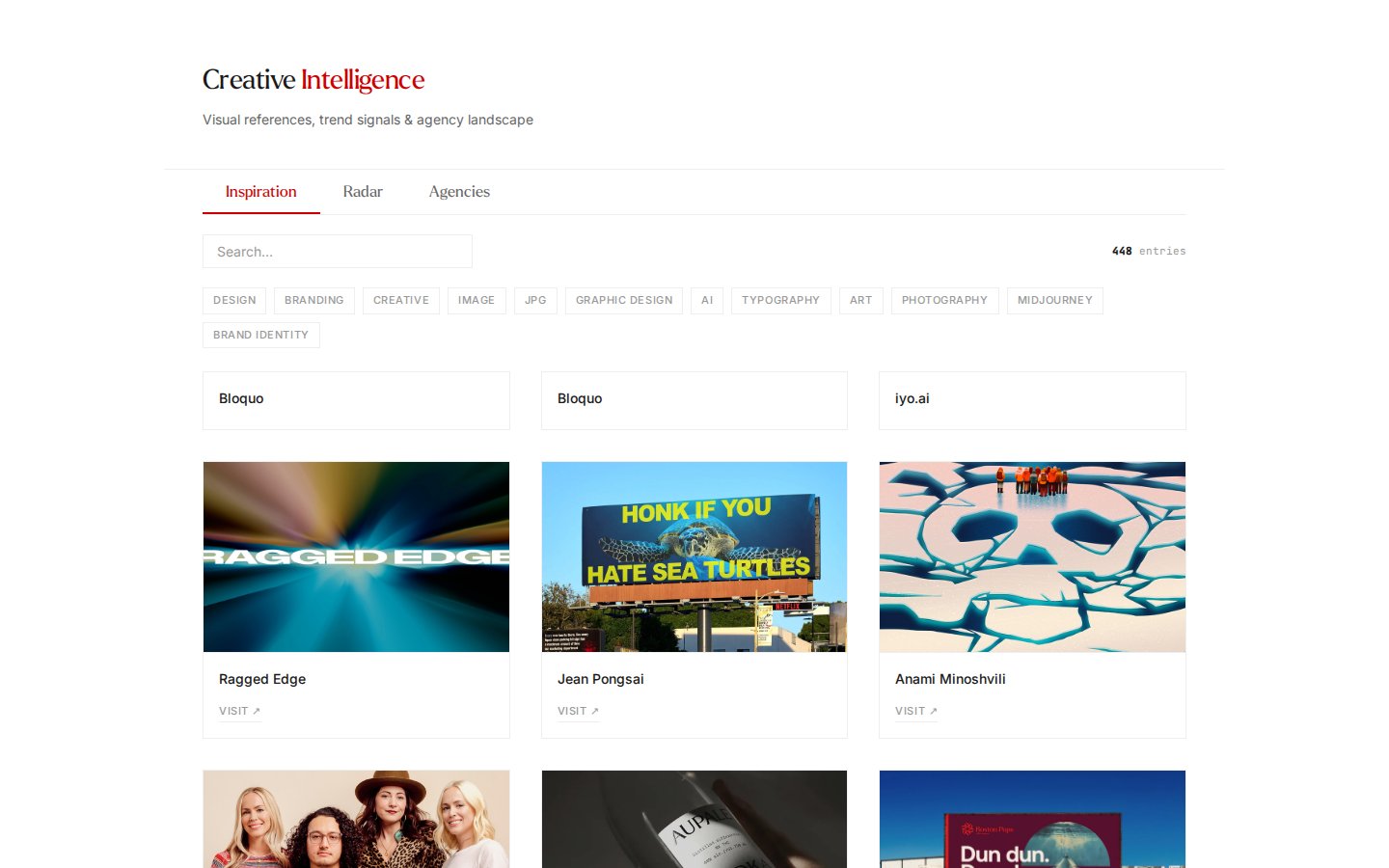
Thousands of references. Design case studies. Brand projects collected over decades. Type foundries. Saved posts from agencies I respect. A trend radar wired to my favorite studios — when they move, a signal fires. When signals converge, it becomes a trend.
Over time, the Brand Agents learn to see the way I see. My eye compounds. The references don't just sit there as a mood board — they become a living calibration. The more I feed in, the more accurately the system reflects my judgment back at me.
Taste isn't a personality trait anymore. It's infrastructure. It's something you can build, maintain, and scale.
The First AI-Positive Brand
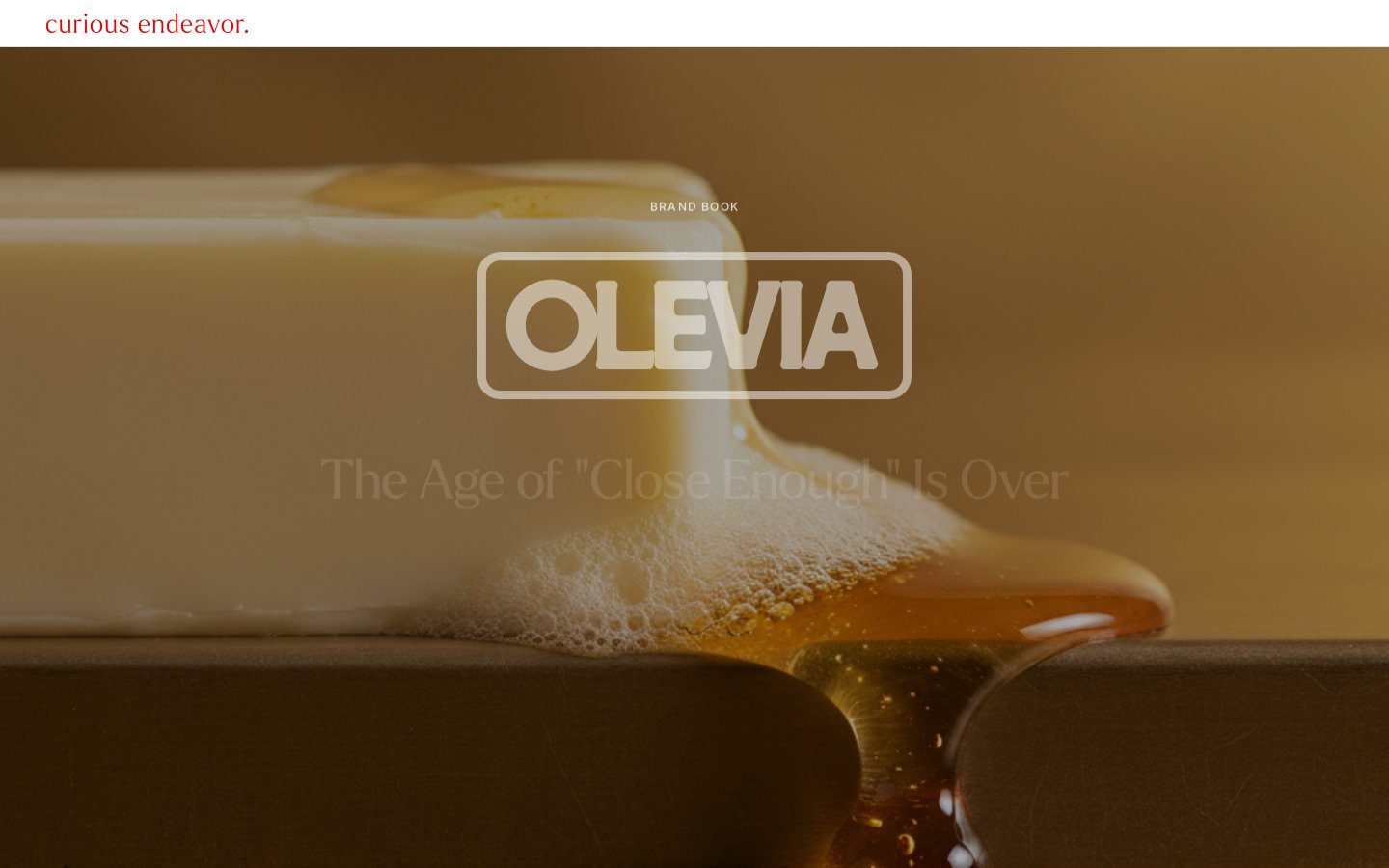
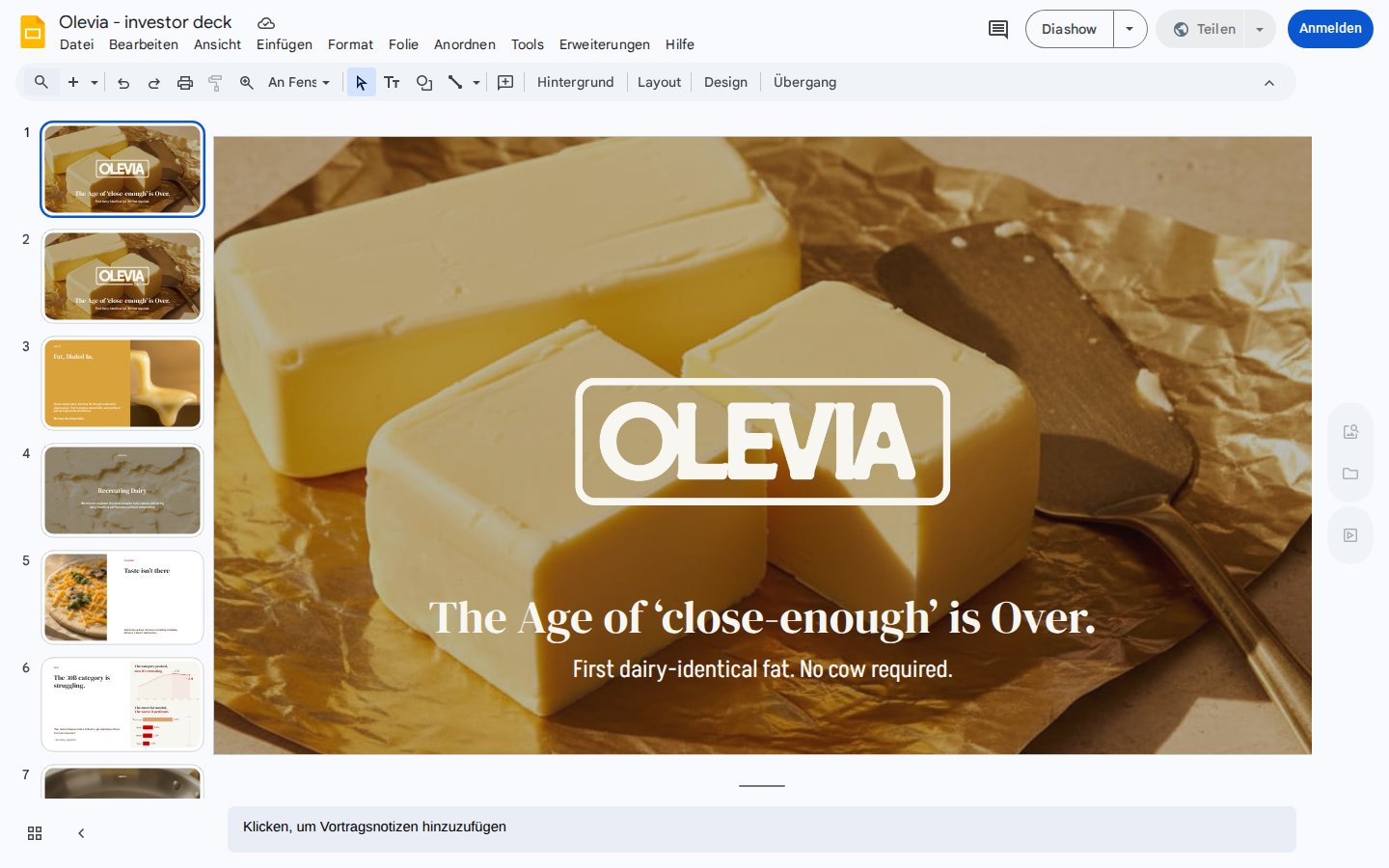
Three design directions. One chosen. Then everything downstream — logo, color, typography, photography, layout, copy, campaign. I did the thinking. They did the rest.
That distinction matters. The thinking — the judgment calls, the creative pressure, the taste that decides which direction and why — that was mine. The execution — the labor, the iteration, the production — that was the system. Ten times the battery. Eight arms.
For the first time in years, I felt liberated in the work rather than buried by it.