01
The bottle is the brand
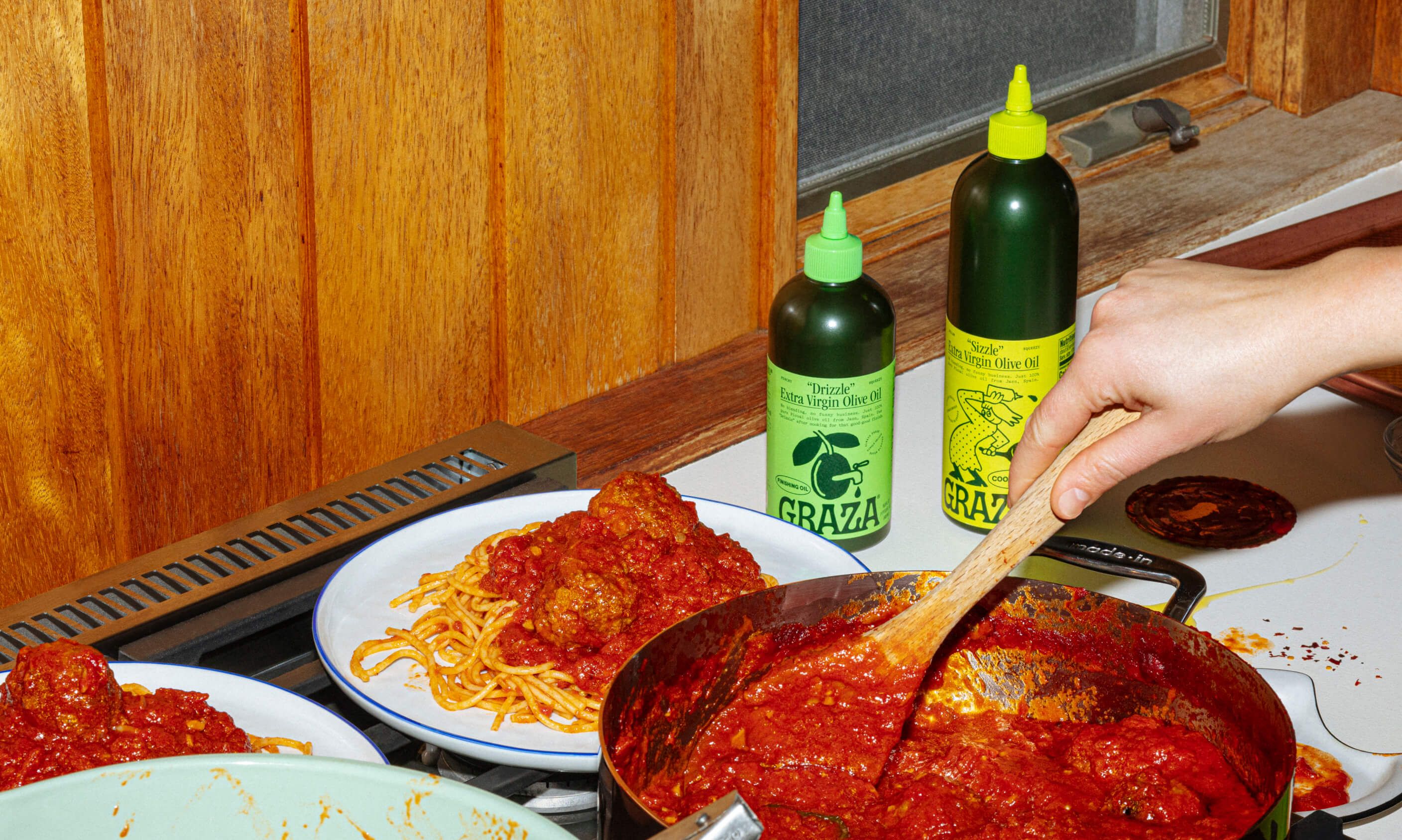
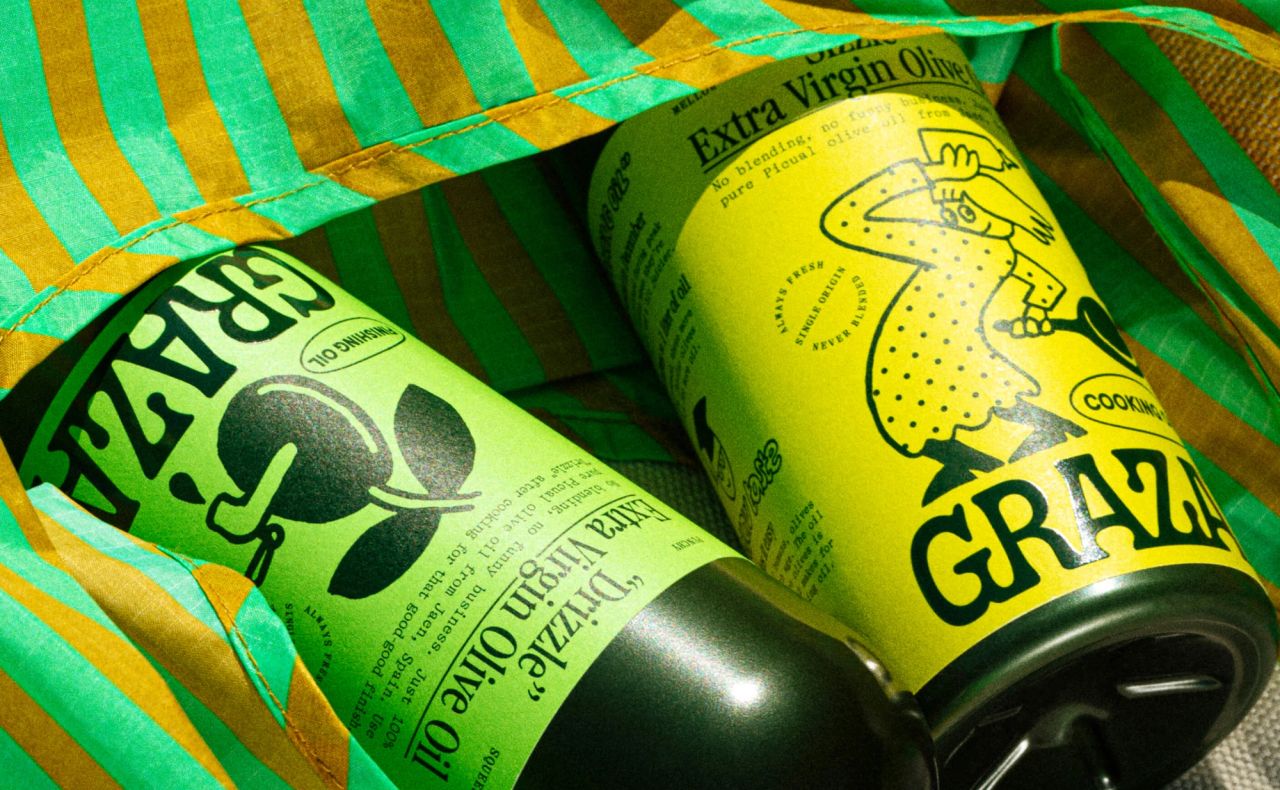
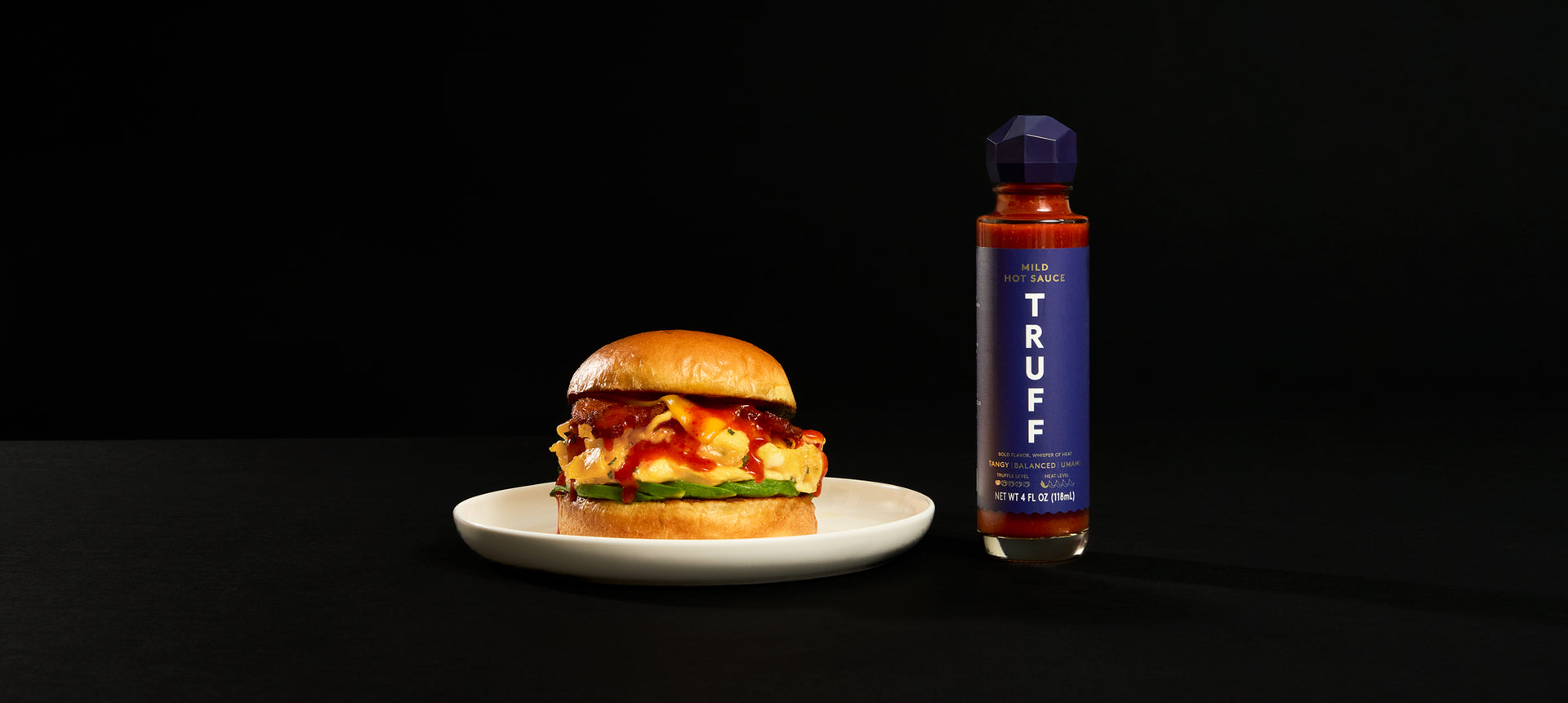
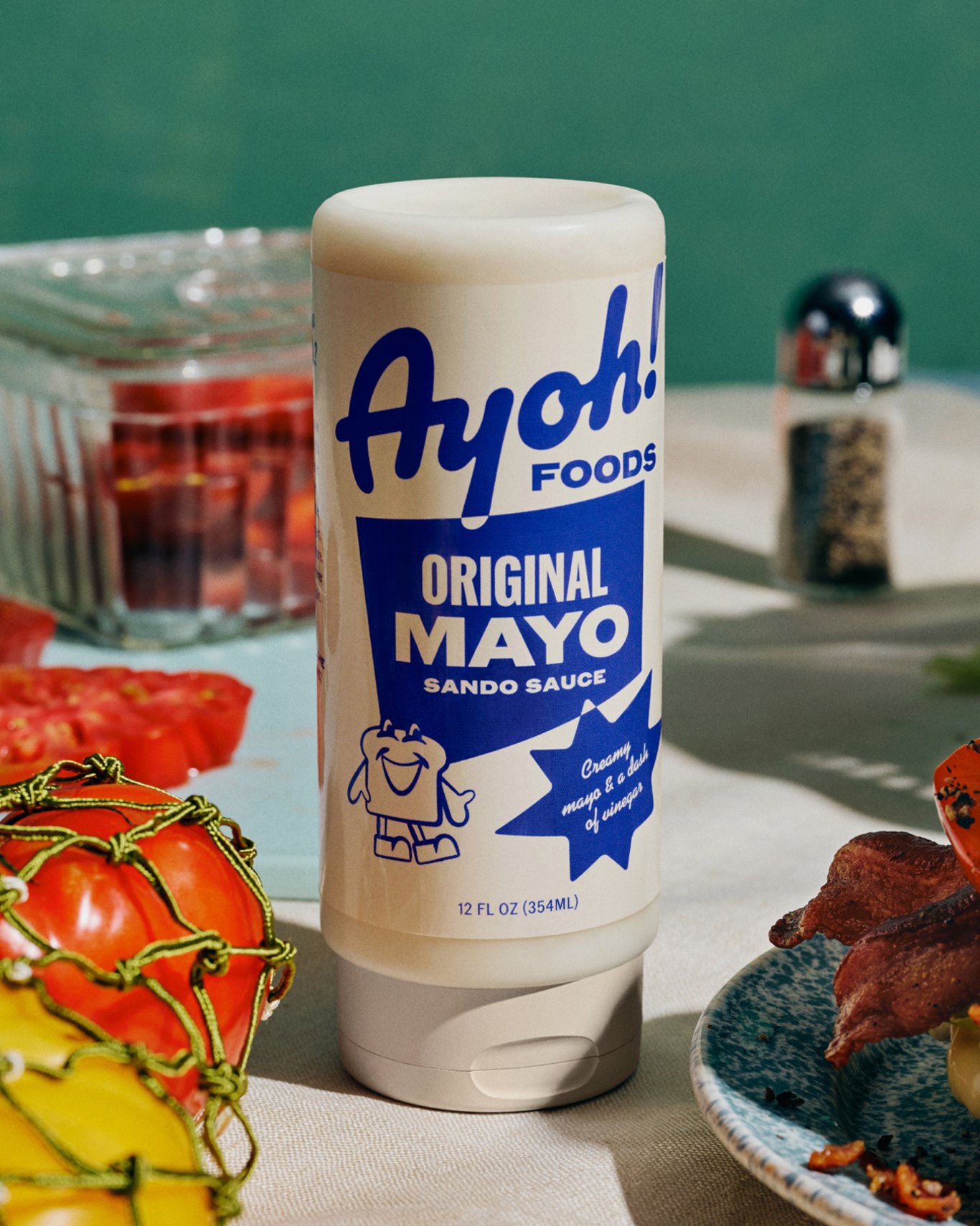
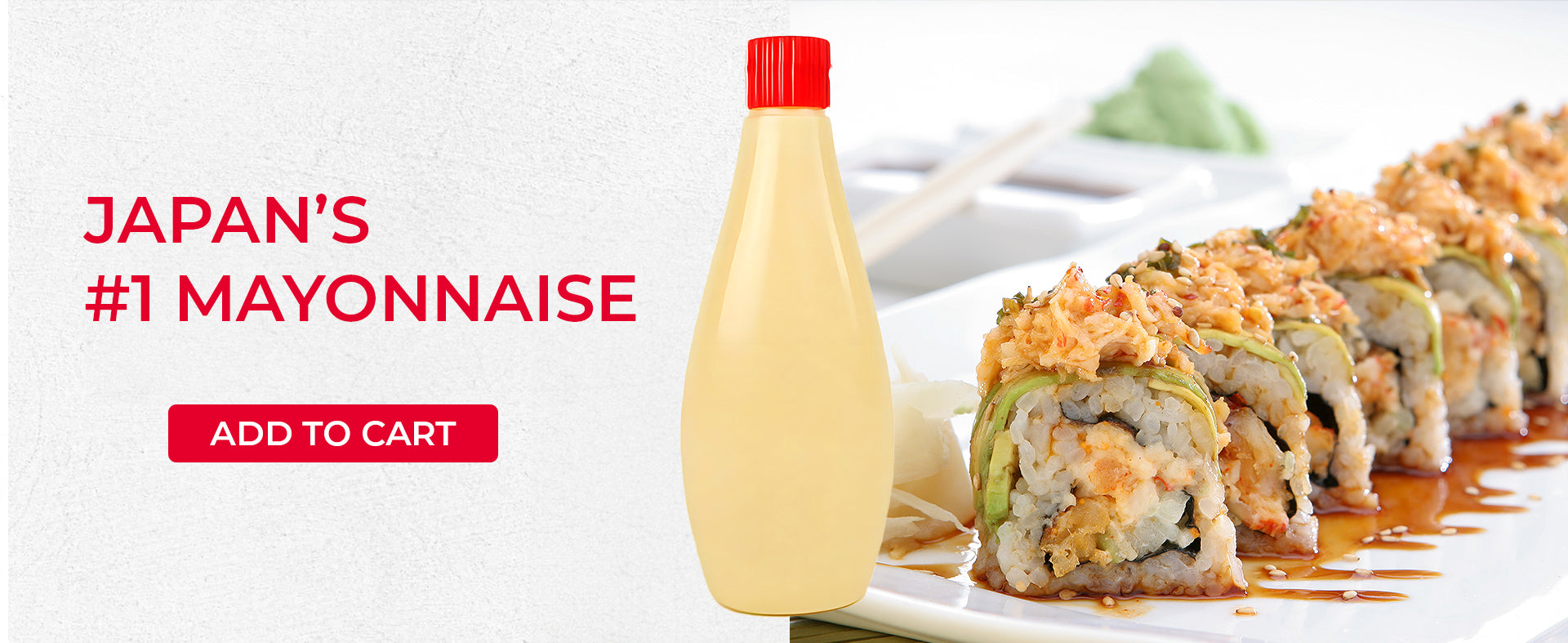
In a category where the product is invisible until opened, packaging does 80% of the work. Graza's squeeze bottle, TRUFF's truffle cap, Kewpie's pear shape — the vessel IS the identity. Invest here first.
Graza · TRUFF · Kewpie
02
Build the cult before you enter grocery
Every breakout condiment brand of the last 5 years went DTC-first, retail-second. The cult following is what gets you shelf space — not the other way around.
Graza · TRUFF · Fly By Jing · Omsom
03
Don't lose your edge at retail scale
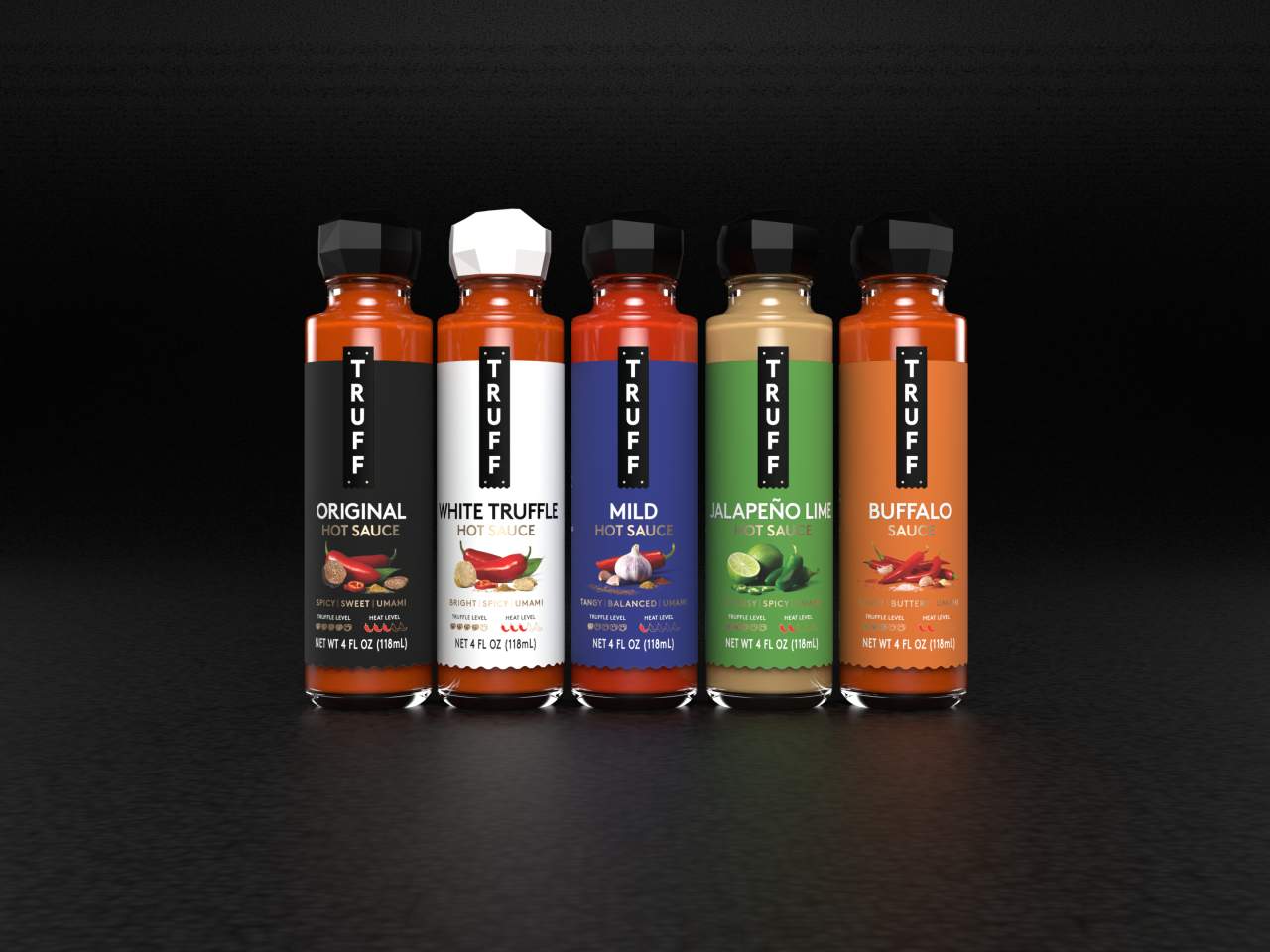
TRUFF's 2026 packaging refresh was criticized for softening the design that made it famous. The defining tension: scaling into grocery without becoming generic. Solve this early.
TRUFF · Fly By Jing
04
Own one tradition deeply
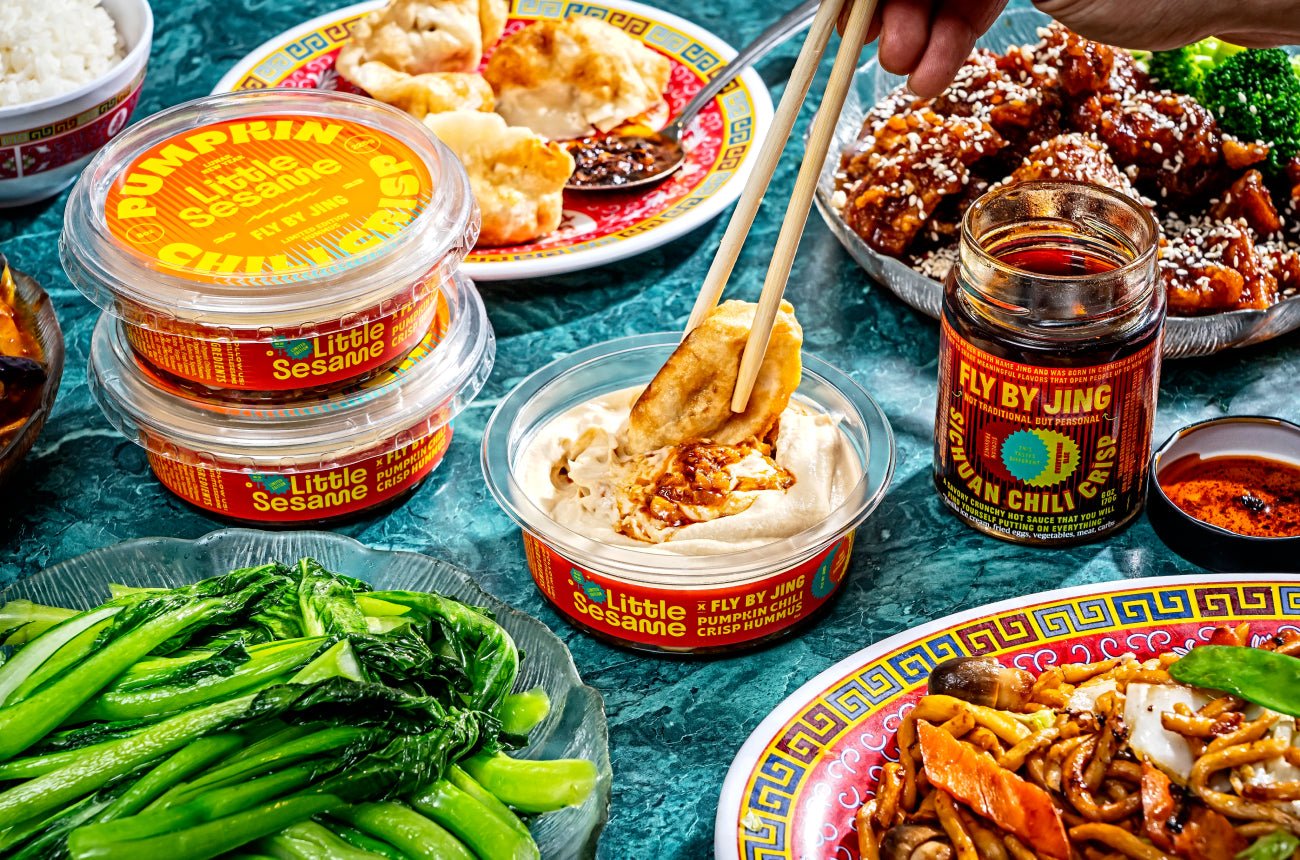
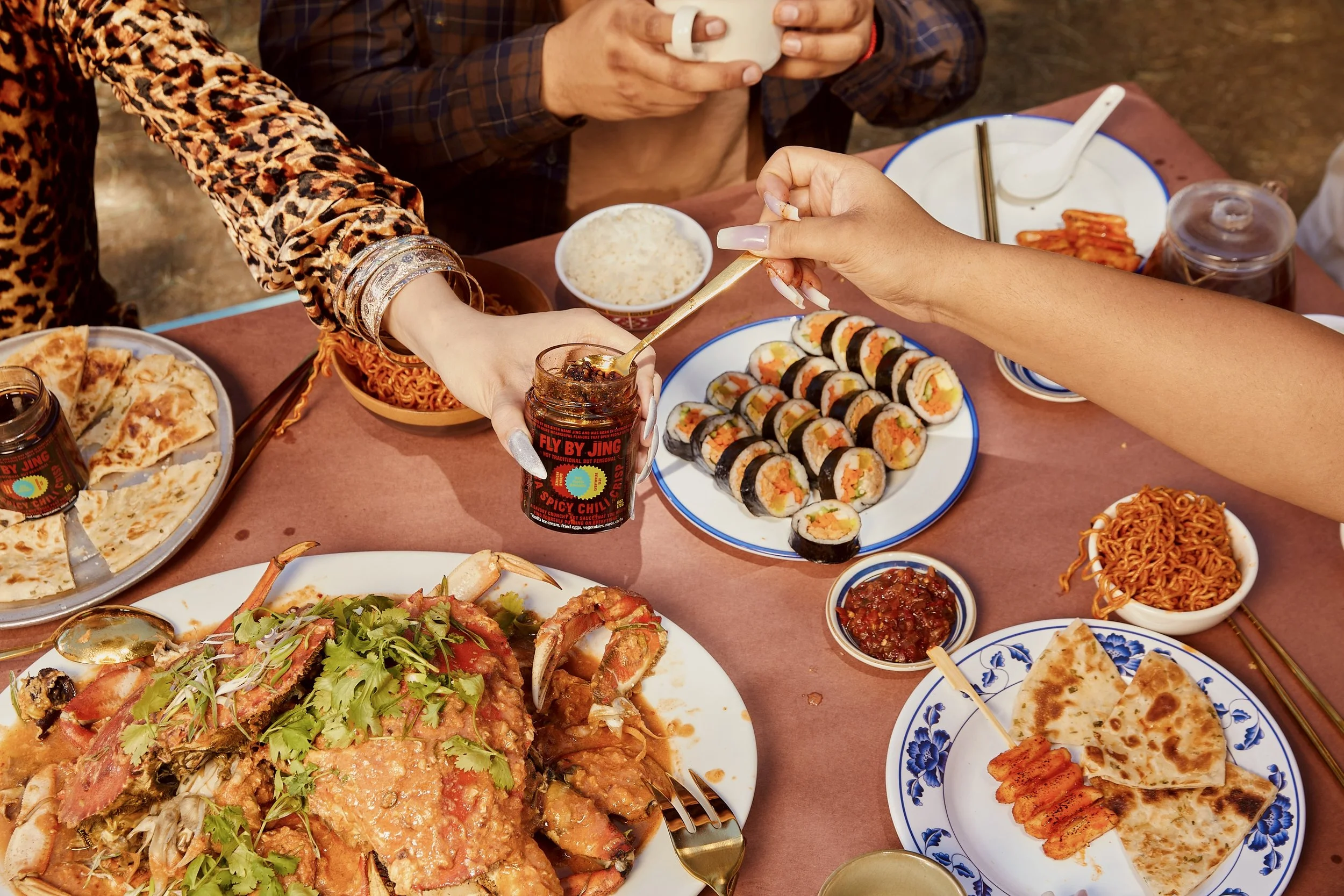
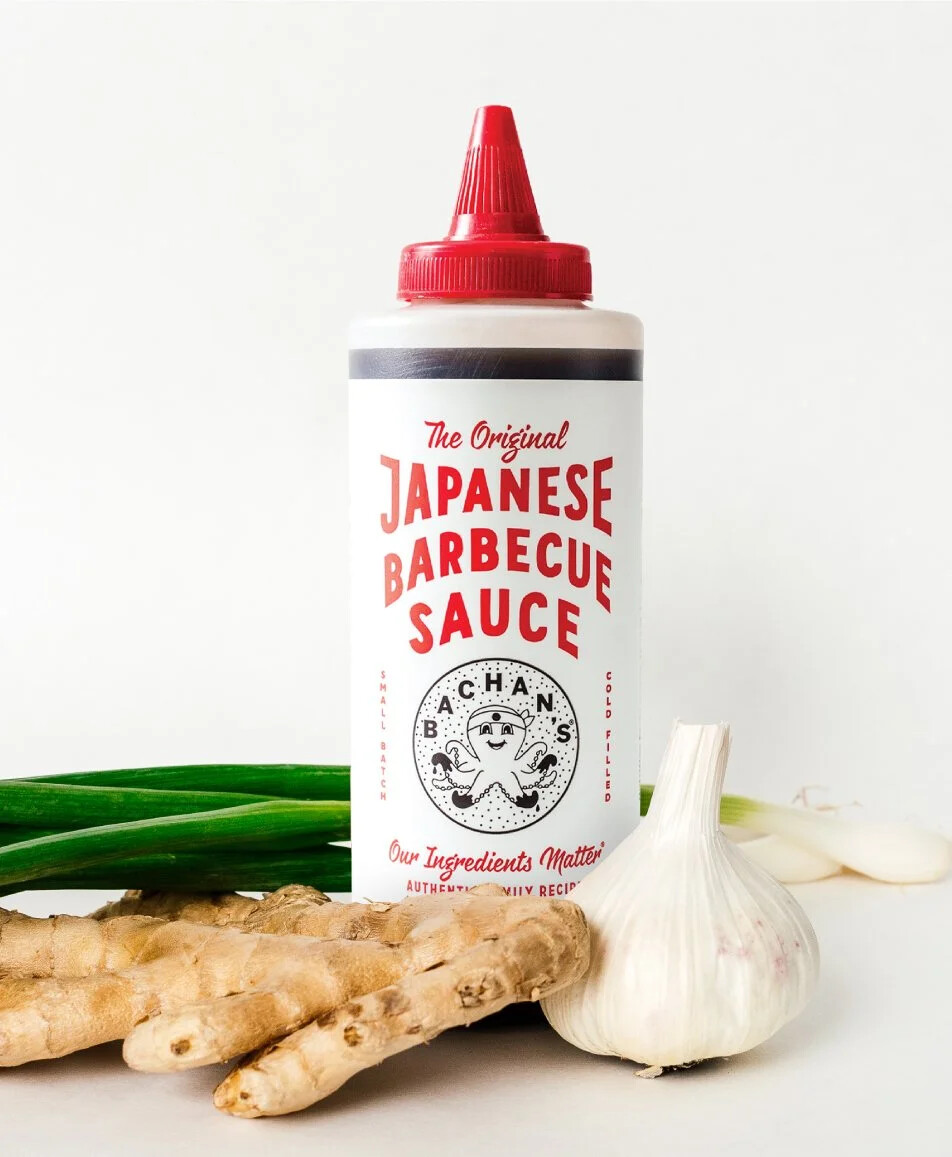
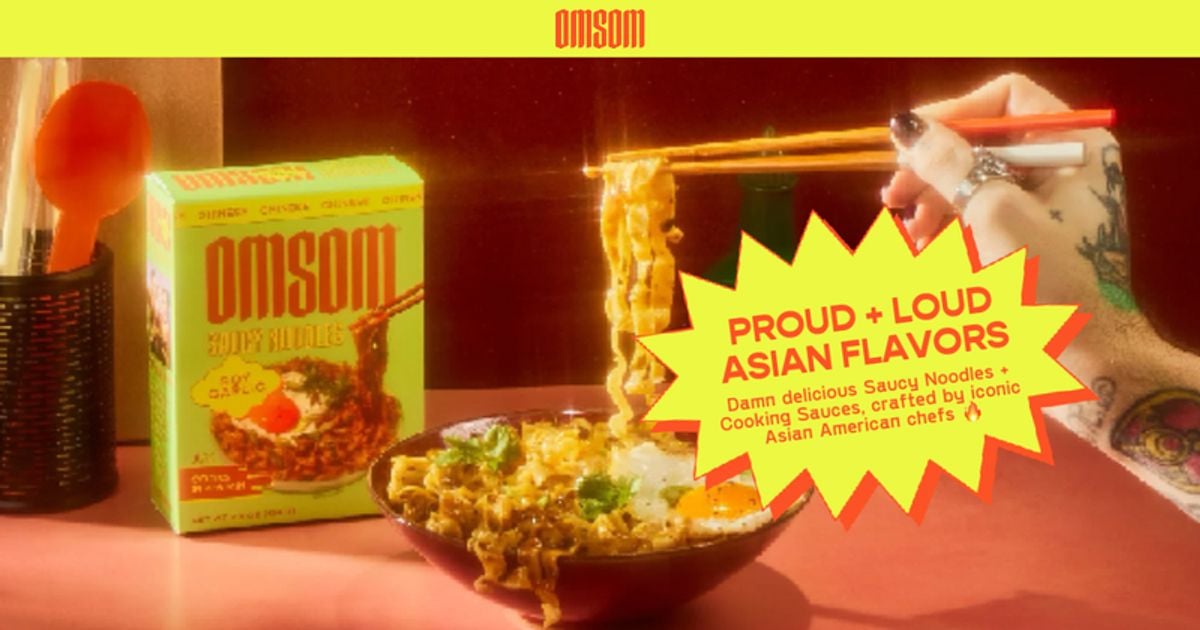
Fly By Jing owns Sichuan. Bachan's owns Japanese BBQ. Omsom owns “Proudly Loudly” Asian flavors. Cultural specificity beats vague “global fusion.” Pick a lane and go deeper than anyone.
Fly By Jing · Bachan's · Omsom
05
Look like nothing else in the aisle
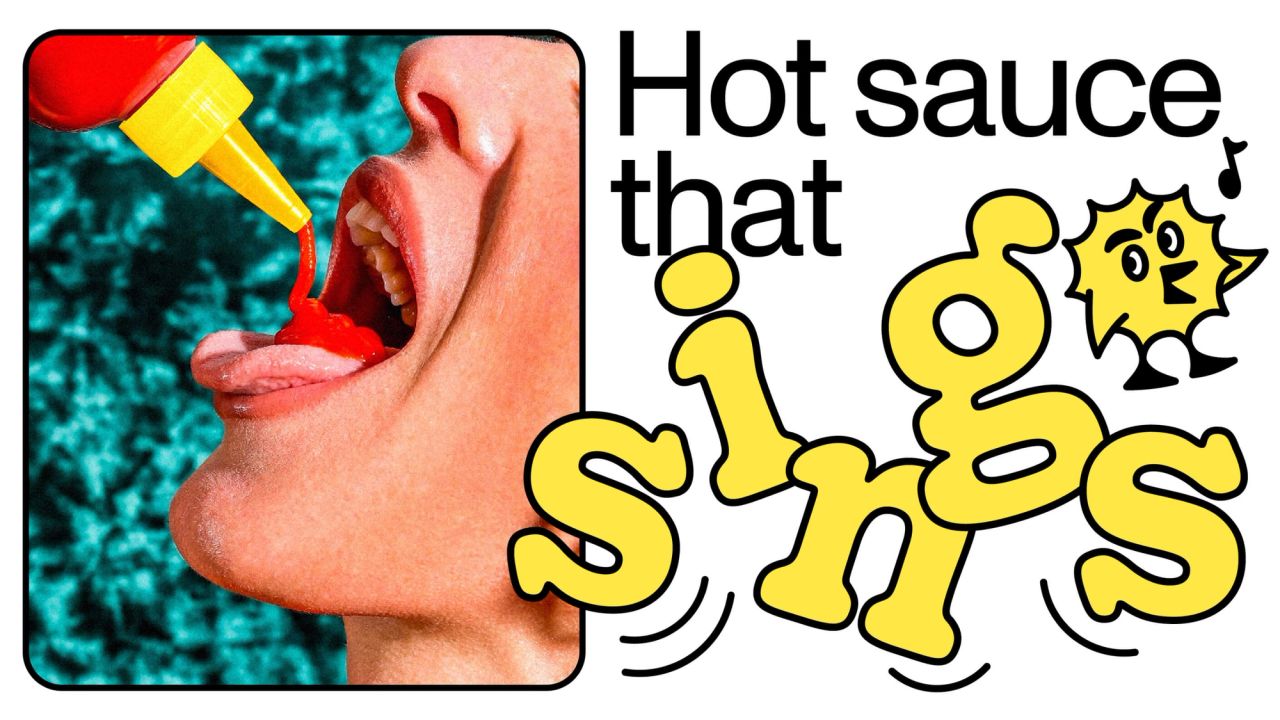
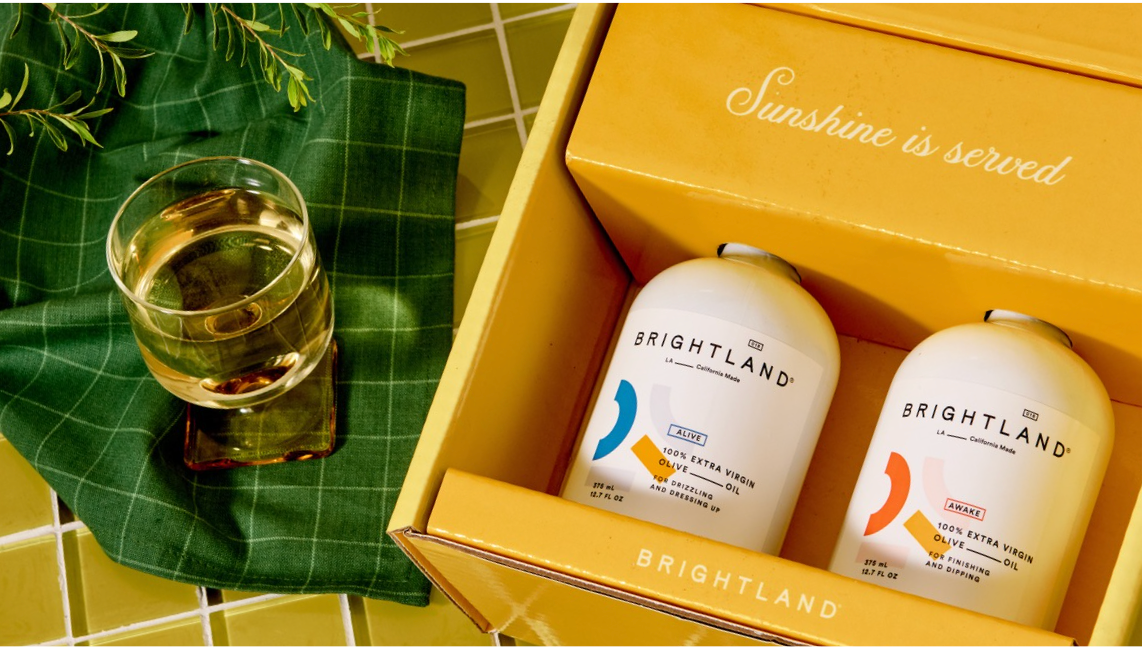
Brightland dropped every olive oil visual convention. TRUFF dropped every hot sauce convention. When everything looks the same, looking different isn't risky — it's the only way to get noticed.
Brightland · TRUFF · Yellowbird
06
Name products after behaviors, not ingredients
Graza's Sizzle, Drizzle, and Frizzle tell you what to DO with the product. Ingredient names (cold-pressed, first-harvest, extra-virgin) tell you what's inside. Behavior wins at shelf.
Graza
07
A mascot creates a relationship
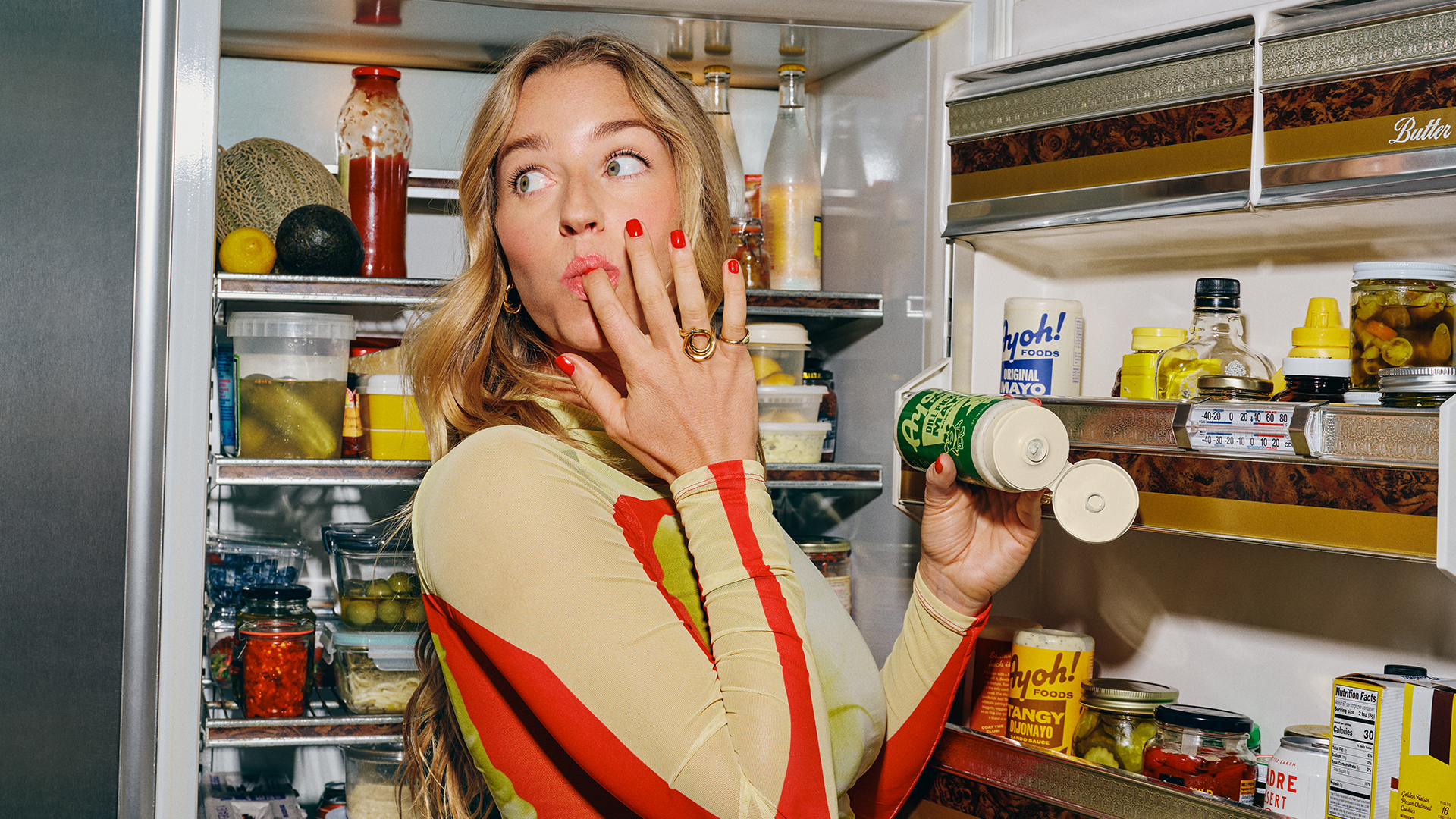
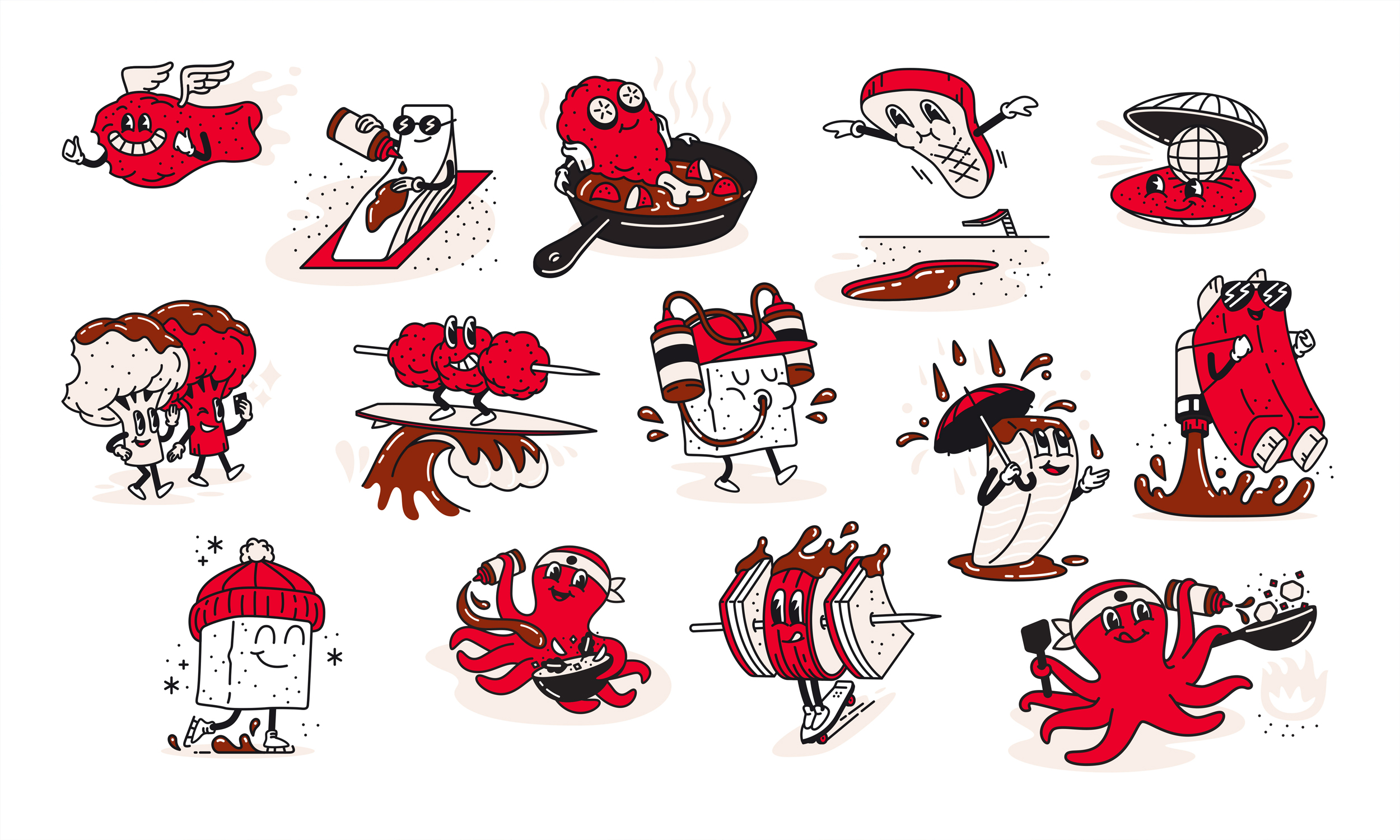
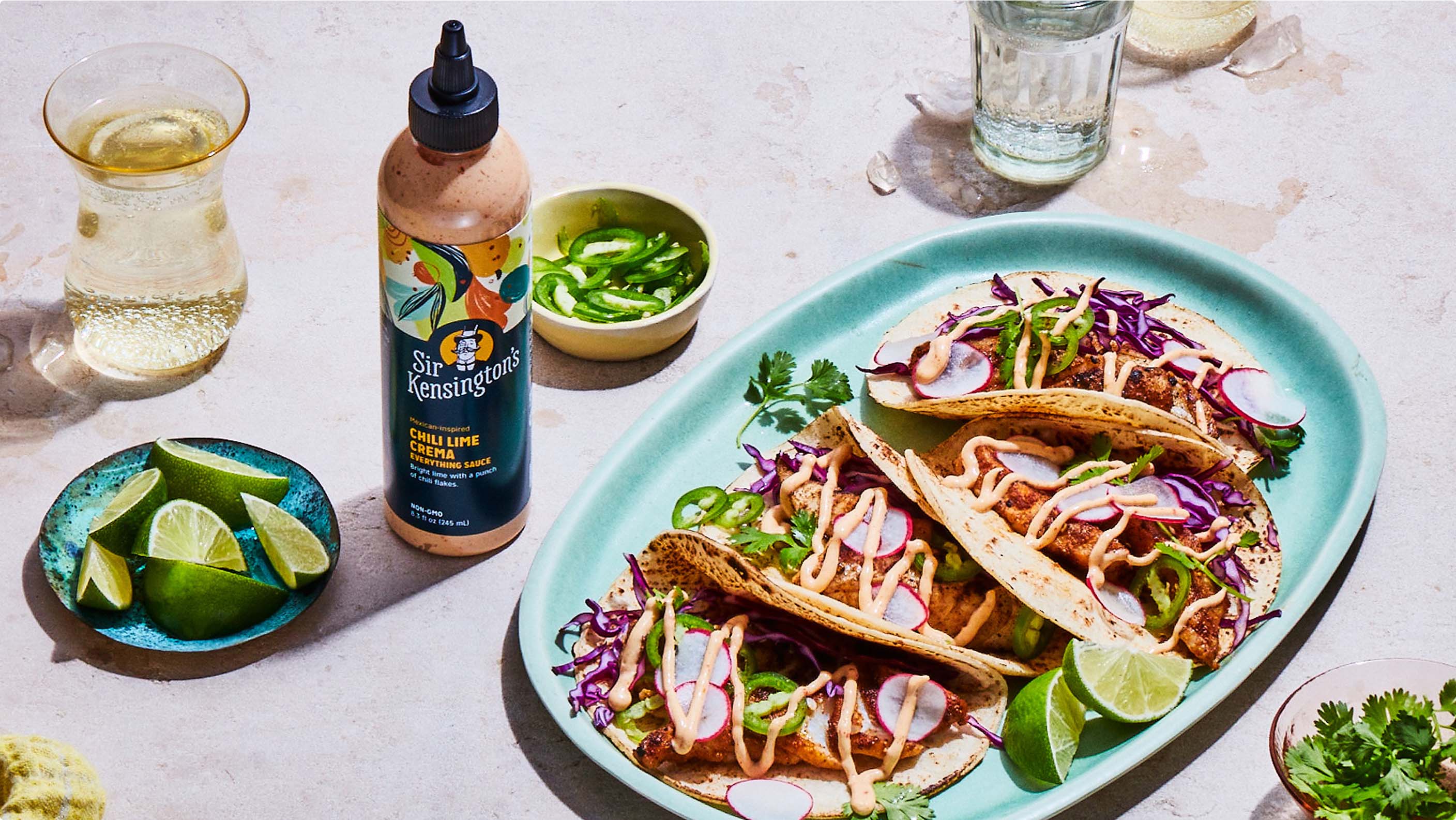
Bachan's Octo, Sir Kensington's gentleman, Yellowbird's bird, Kewpie's baby. A character makes the brand feel like someone, not something. It drives recall and emotional connection.
Bachan's · Sir Kensington's · Kewpie
08
Restaurant origin is the ultimate trust signal
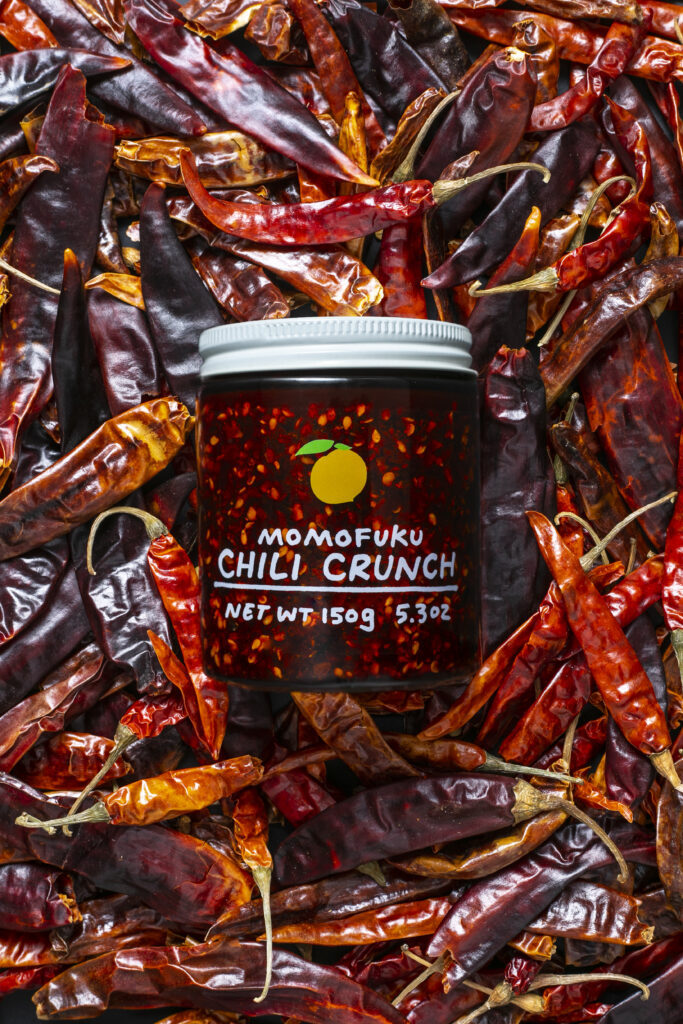
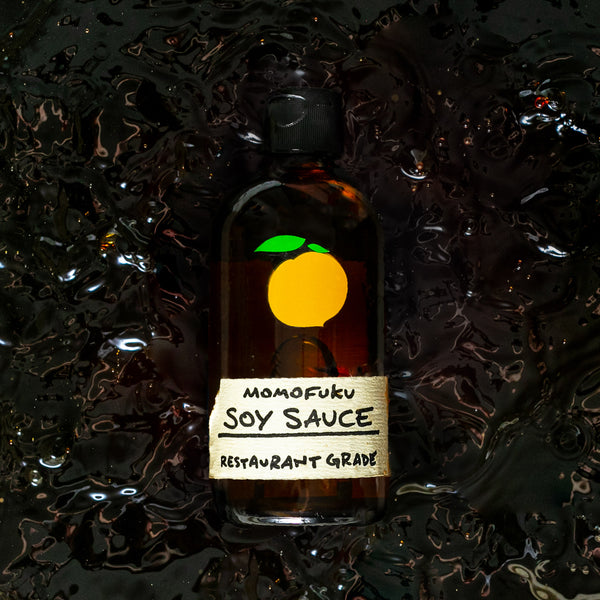
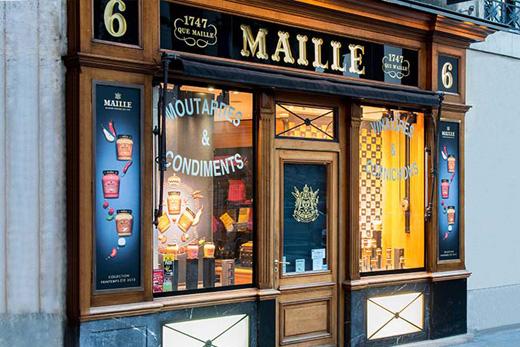
Momofuku, Mike's Hot Honey, Maille — all started in professional kitchens. “Chefs use this” is the most persuasive thing a condiment brand can say.
Momofuku · Mike's Hot Honey · Maille
09
One bold color across everything
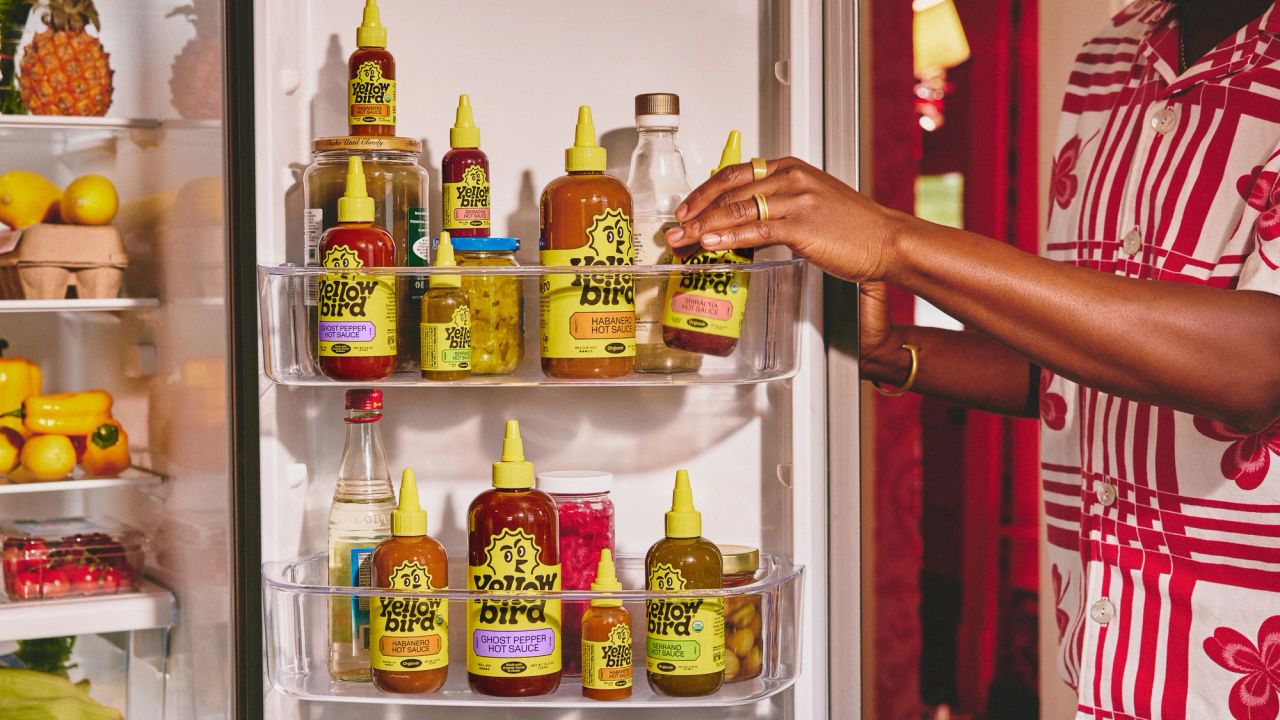
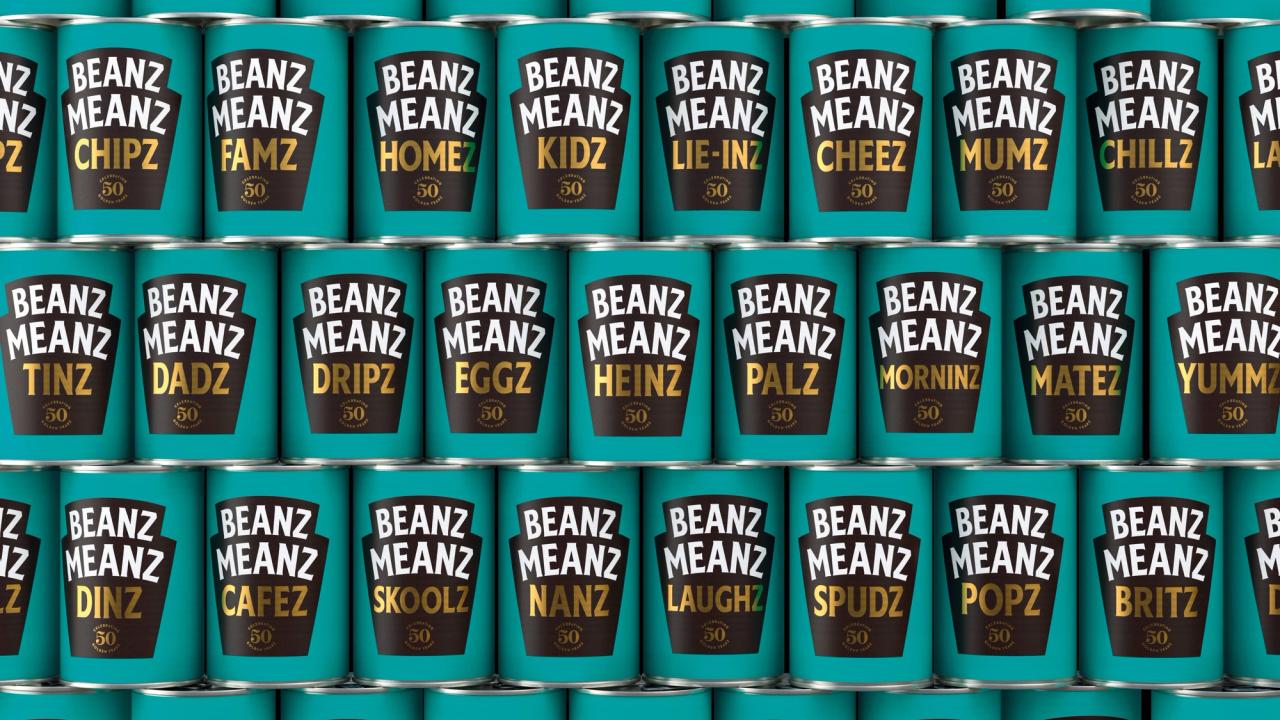
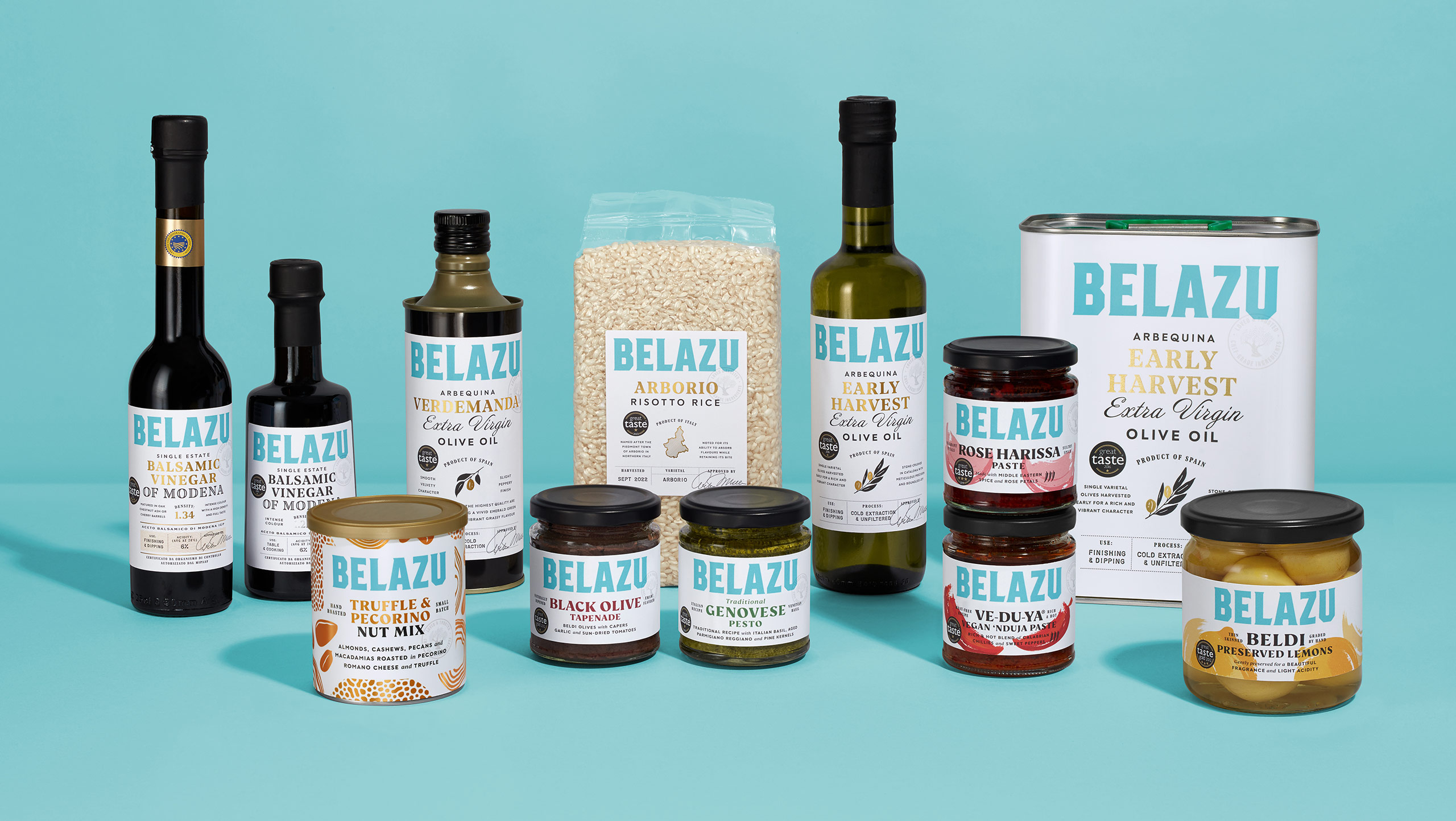
Yellowbird's saturated yellow. Belazu's azure. Heinz's red. A single unifying color across an entire range creates instant shelf recognition — even from across the store.
Yellowbird · Belazu · Heinz
10
Borrow codes from luxury
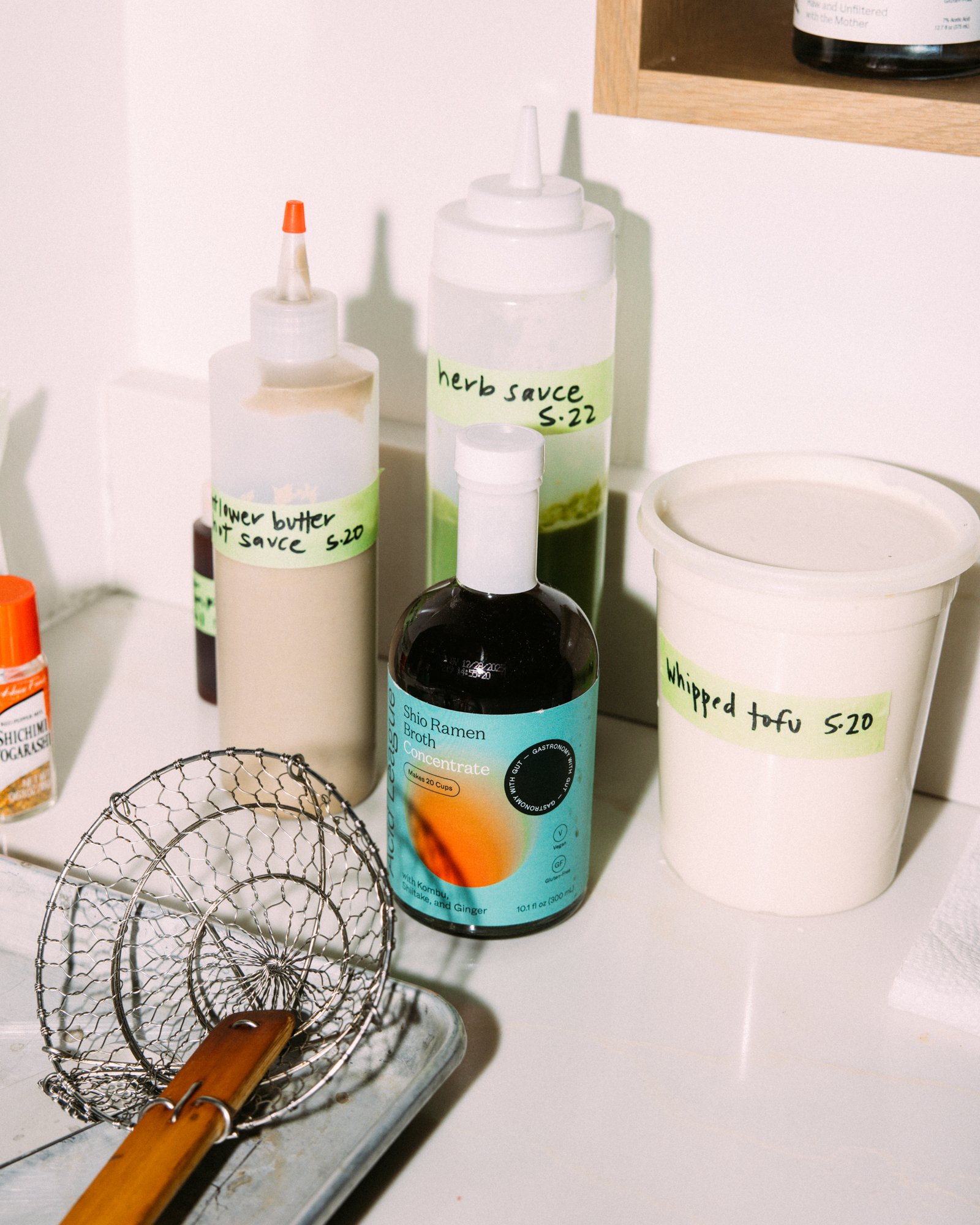
Acid League borrowed dropper bottles from skincare. Brightland borrowed powder-coated bottles from beauty. TRUFF borrowed matte black from streetwear. Cross-category code-switching repositions instantly.
Acid League · Brightland · TRUFF
11
Clean label is table stakes, not positioning
Every new launch in 2026 has “no artificial ingredients.” It's hygiene, not differentiation. Origin story, craft credentials, and sensory experience are the actual positioning levers.
Market data · SFA Trends 2026
12
Heritage is the ultimate brand asset — if you activate it
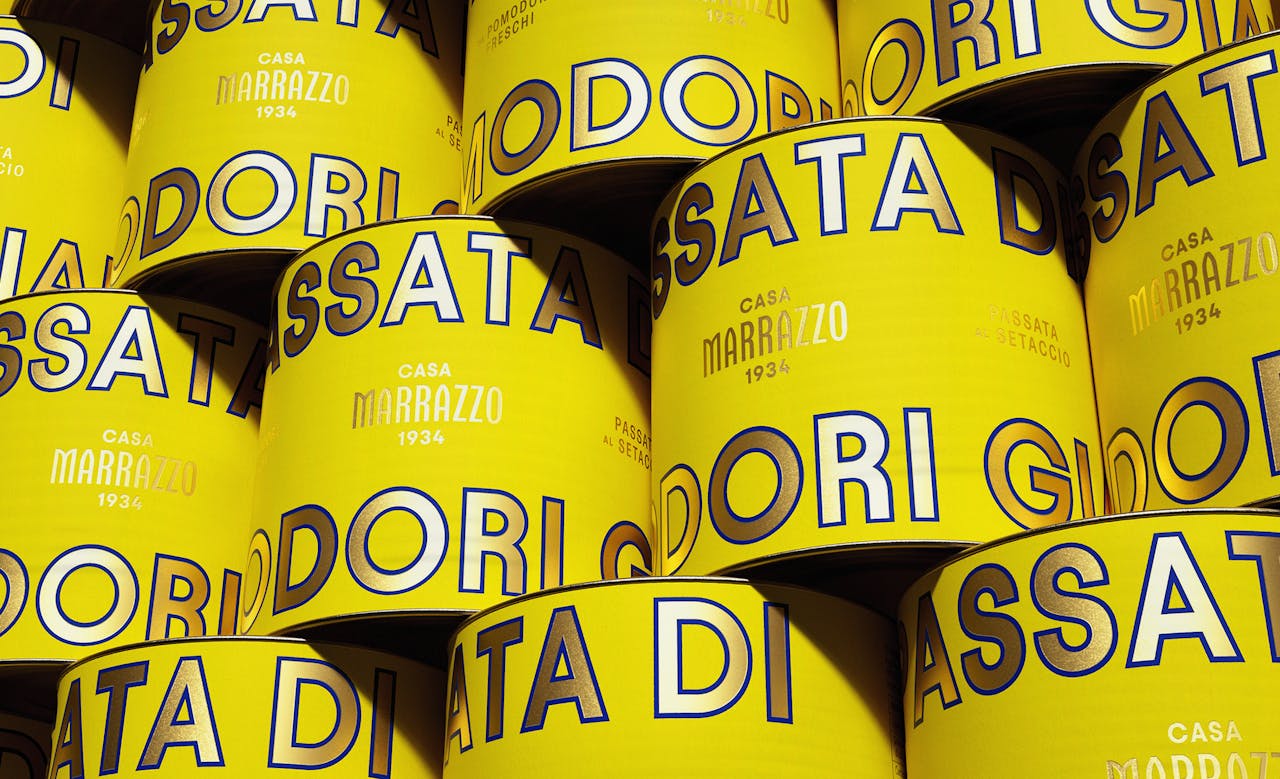
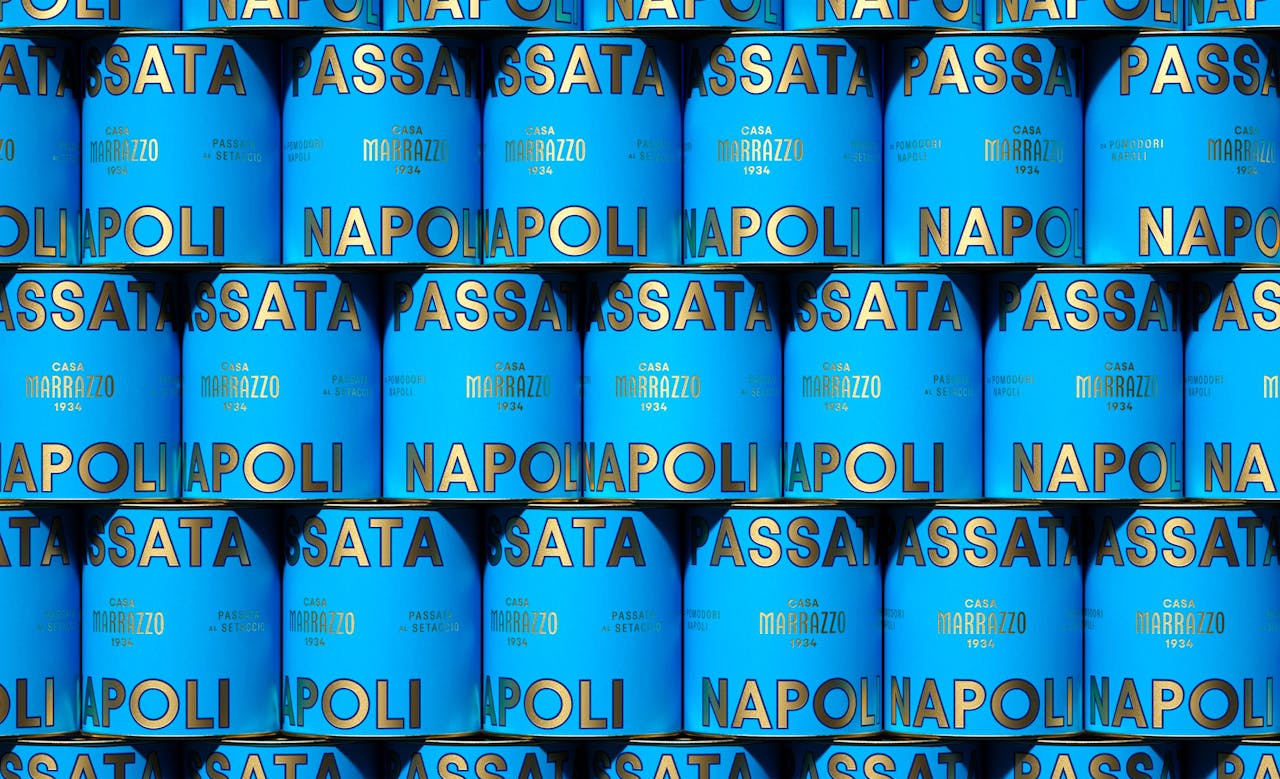
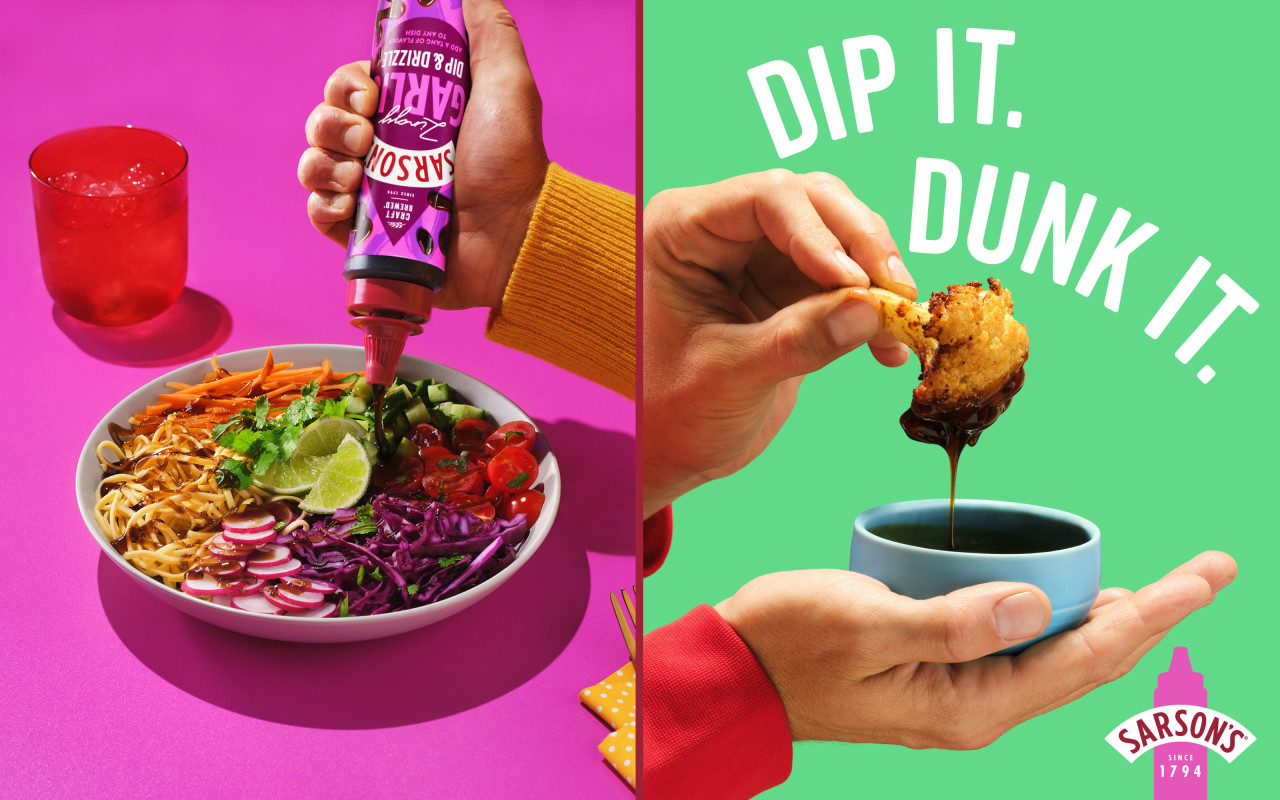
Casa Marrazzo won Best of Show at Pentawards. Sarson's launched its first new product in 230 years. Maille has Mustard Sommeliers. Heritage sitting in a drawer is worthless. Heritage with design craft behind it is untouchable.
Casa Marrazzo · Sarson's · Maille
13
Create a category, own it forever
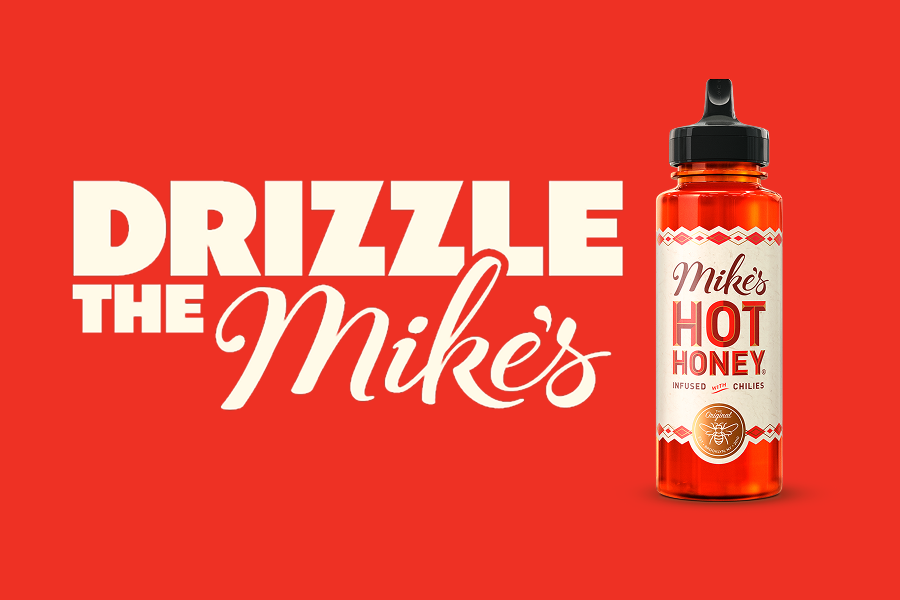
Mike's Hot Honey invented hot honey. When you define a new category, you're the reference point permanently. Every competitor is “like Mike's, but...”
Mike's Hot Honey
14
SenseMaxxing is the moment
SFA's 2026 Trend of the Year. Consumers want products that “punch through the noise” — extreme sourness, engineered crunch, multi-sensorial intensity. Bold, unapologetic flavor and packaging are winning.
Specialty Food Association · 2026
15
Look human in the age of AI
As AI-generated visuals flood the market, hand-drawn, imperfect, analog aesthetics are the strongest differentiation signal. Brands that look “made by a person” win trust.
Dieline 2026 Trend Report
16
Position as restaurant replacement, not expensive ketchup
Premium sauces outperform when framed as “bring the restaurant home” rather than “better version of what you already have.” The framing matters more than the ingredients list.
TRUFF · Momofuku · Market data